Blog

  • The Art of DJing: A Beginner’s Guide

    The Art of DJing: A Beginner’s Guide

    DJing is more than just playing music; it’s an art form that blends creativity, technical skill, and the ability to read and energize a crowd. Whether you dream of headlining festivals or mixing tracks at intimate gatherings, this beginner’s guide will introduce you to the foundational skills, tools, and mindset needed to start your DJ journey.


    1. Understanding What DJing Is

    At its core, DJing is about curating and blending music to create an engaging listening experience. DJs:

    • Seamlessly transition between tracks.
    • Read the crowd and adapt the music accordingly.
    • Use creative techniques to enhance the music, like looping, scratching, and adding effects.

    2. Choosing the Right DJ Equipment

    The right gear is essential to getting started. Here are the basics:

    Essential Equipment

    • Controller: A beginner-friendly all-in-one device that combines decks and a mixer.
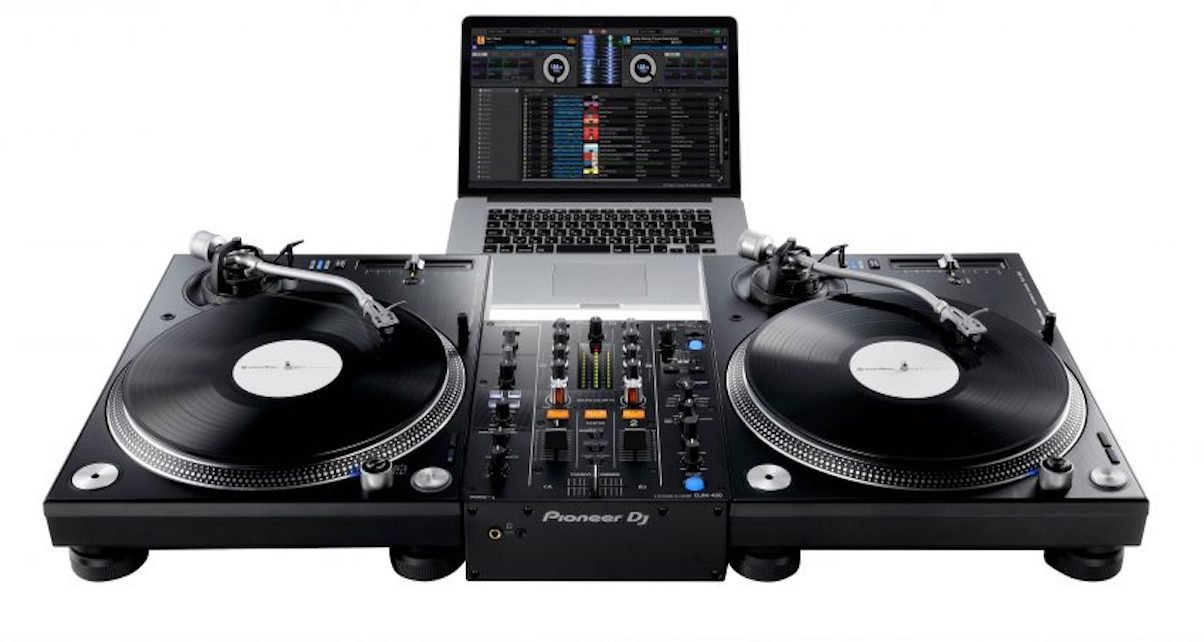
    • Turntables: For vinyl enthusiasts who want to embrace traditional DJing.
    • Mixer: The hub for controlling volume, EQ, and transitions between tracks.
    • Headphones: Quality headphones are crucial for cueing and beatmatching.
    • Software: Programs like Serato DJ, Rekordbox, or Virtual DJ help you manage and mix tracks.

    Optional Add-Ons

    • Monitors: Studio-quality speakers for clear sound during practice.
    • Sound Card: For enhanced audio quality when connecting to external systems.

    3. Learning the Basics of DJing

    Understanding Beatmatching

    Beatmatching is the process of aligning the tempo (BPM) of two tracks so they play in sync. Use pitch controls on your decks or software to adjust the BPM.

    Cueing Tracks

    Cueing involves preparing the next track in your headphones before transitioning it into the mix. This ensures smooth changes between songs.

    Using EQs and Filters

    Equalizers (EQs) allow you to adjust bass, midrange, and treble frequencies. Use them to:

    • Blend tracks harmoniously.
    • Create dramatic effects by cutting or boosting frequencies.

    Mixing Techniques

    • Crossfading: Transitioning smoothly between tracks using the crossfader.
    • Looping: Repeating a section of a track to extend a build-up or fill time.
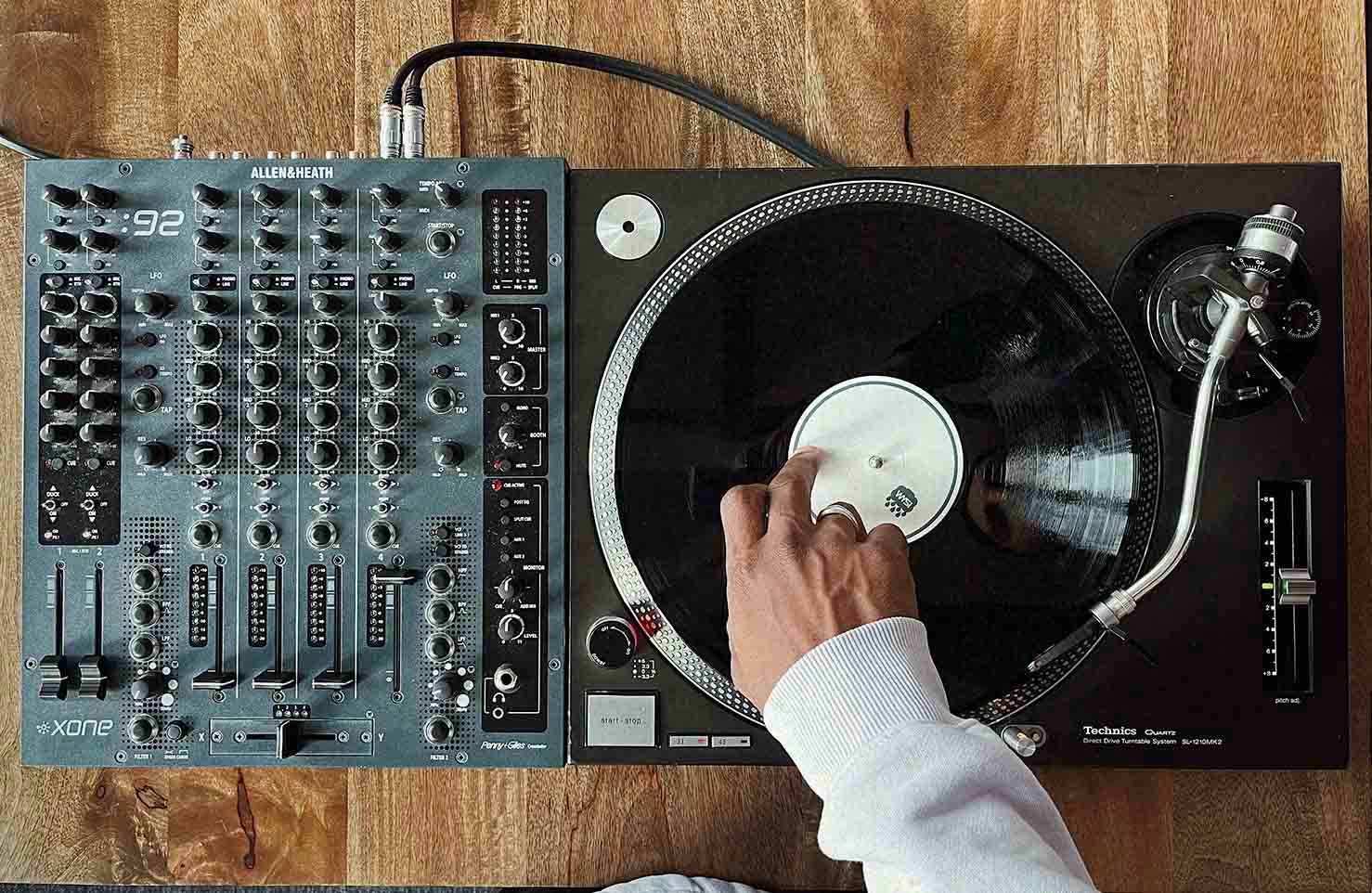
    • Scratching: A creative technique involving manipulating the record or jog wheel to create unique sounds.
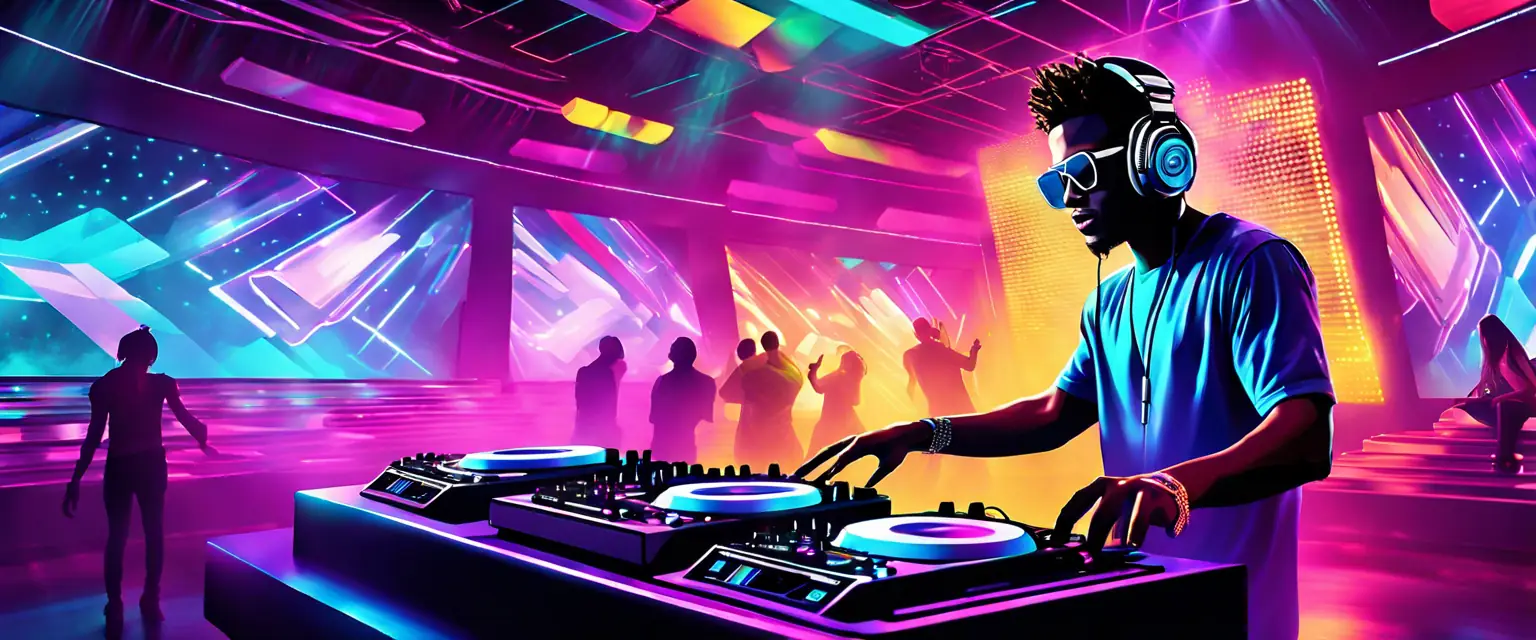
    The Art of DJing: A Beginner’s Guide
    The Art of DJing: A Beginner’s Guide

    4. Developing Your Style

    Experiment with Genres

    Explore different styles of music to find your niche. Popular DJ genres include:

    • House
    • Techno
    • Hip-Hop
    • Drum and Bass
    • Pop and Top 40

    Build Playlists

    Organize tracks into playlists based on mood, energy, or event type. This helps you stay prepared for any situation.

    Practice Creativity

    • Use effects like reverb, delay, or echo to add flair to your mixes.
    • Experiment with transitions, layering tracks, and adding samples.

    5. Practicing Your Skills

    Daily Practice

    Consistency is key. Dedicate time each day to:

    • Practicing beatmatching and transitions.
    • Experimenting with new techniques.
    • Recording your mixes to identify areas for improvement.

    Simulate Real Scenarios

    • Practice as if you’re performing live to build confidence.
    • Mix for friends or small gatherings to gain experience.

    6. Understanding the Crowd

    Read the Room

    Pay attention to the crowd’s energy and adjust your set accordingly.

    • Up the tempo for peak moments.
    • Dial it back during breaks or lulls.

    Engage with Your Audience

    • Make eye contact and interact when possible.
    • Use your music selection to respond to the crowd’s vibe.

    7. Networking and Getting Gigs

    Build Your Brand

    • Choose a DJ name and create a logo.
    • Share your mixes on platforms like SoundCloud, Mixcloud, or YouTube.

    Connect with Venues and DJs

    • Attend events to meet industry professionals.
    • Offer to open for established DJs or perform at smaller venues to gain exposure.

    Promote Yourself

    • Use social media to showcase your skills.
    • Engage with your audience through regular content and interactions.

    8. Common Mistakes to Avoid

    Overloading Your Mix

    Avoid excessive use of effects or transitions that overwhelm the music.

    Ignoring Preparation

    Always check your equipment, playlists, and venue setup beforehand.

    Not Listening to Feedback

    Constructive criticism helps you grow as a DJ. Be open to learning from others.


    9. Embracing the DJ Lifestyle

    DJing is more than just a skill; it’s a lifestyle. Embrace the passion, stay curious about new music and techniques, and enjoy the journey. Remember, even the best DJs started as beginners.


    Conclusion

    The art of DJing is a rewarding pursuit that combines technical skills with creative expression. By learning the basics, investing in the right equipment, and practicing consistently, you can begin your journey toward becoming a confident and skilled DJ. Whether you’re mixing for fun or aiming for professional gigs, the key is to stay committed and keep exploring the endless possibilities of this exciting art form.

  • Top Apps for Practicing Music Mixing on the Go

    Top Apps for Practicing Music Mixing on the Go

    As a DJ, perfecting your mixing skills requires constant practice, and sometimes, you don’t have access to your full setup. Luckily, there are several powerful apps that allow you to practice music mixing on the go. Whether you’re commuting, traveling, or just away from your usual setup, these apps help you keep your skills sharp. In this post, we’ll explore some of the best apps for practicing music mixing anytime, anywhere.

    Top Apps for Practicing Music Mixing on the Go
    Top Apps for Practicing Music Mixing on the Go

    1. Serato Pyro

    Serato Pyro is a fantastic app for DJs who want to practice seamless mixing on their phone or tablet. It automatically detects the BPM and key of your tracks, making it easier to create smooth transitions. The app offers curated playlists based on your music library, which is ideal for practicing different genres. Pyro also allows you to crossfade between songs effortlessly, helping you practice timing and flow. It’s a great choice for DJs who are looking for a simple, mobile-friendly app to refine their skills on the go.

    2. djay by Algoriddim

    djay is one of the most popular DJ apps available today, and for good reason. This app is packed with features that mimic professional DJ software, making it a fantastic tool for practicing music mixing while on the move. It offers real-time beat matching, sync features, and effects, allowing you to experiment with different techniques. You can load tracks from Spotify or your music library and use advanced features like looping, cue points, and EQ adjustments. djay is perfect for DJs looking to practice complex mixes with ease, all from their mobile device.

    3. Traktor DJ 2

    Traktor DJ 2, by Native Instruments, is a powerful app designed for both beginners and experienced DJs. The app features a streamlined, intuitive interface, making it easy to practice mixing even when you’re not at your main setup. Traktor DJ 2 has a wide selection of tracks and lets you mix, loop, and apply effects on the go. One of its standout features is the ability to sync tracks automatically, allowing you to focus on perfecting your transitions and mixes. Plus, with its integration with SoundCloud, you have access to millions of tracks, ensuring you always have fresh music to practice with.

    4. Cross DJ

    Cross DJ is another excellent app for DJs who want to practice mixing while on the move. It features all the essential tools a DJ needs, including beatmatching, sync, and tempo controls. Cross DJ also offers manual pitch control and high-quality audio, so you can practice your mixing and scratching skills wherever you are. The app allows you to load tracks from your device or streaming services, making it versatile and easy to use. If you’re looking for a mobile DJ app that provides a professional experience, Cross DJ is definitely worth considering.

    5. Virtual DJ Mobile

    Virtual DJ Mobile brings the power of the popular desktop DJ software to your mobile device. The app includes features like automatic beatmatching, cue points, loops, and effects, which are perfect for practicing mixes. With its user-friendly interface, it’s easy to create seamless transitions between tracks and experiment with different techniques. Virtual DJ Mobile also supports music from various sources, including your device’s library and streaming platforms like SoundCloud. This app is ideal for DJs who want a full-featured, portable mixing solution.

    6. Mixxx

    Mixxx is a free, open-source DJ software that has gained popularity among both hobbyists and professionals. While Mixxx doesn’t have a dedicated mobile version, it’s worth mentioning for DJs who like to practice on a laptop or tablet. It’s compatible with various controllers and offers features like auto BPM detection, beatmatching, and sample decks. Mixxx is a great option for those who prefer a more customizable experience and want a reliable, no-cost solution for practicing music mixing while on the go.

    Conclusion

    In conclusion, these apps offer DJs the flexibility to practice their mixing skills wherever they are. Whether you’re a beginner looking for an easy-to-use app or a professional searching for a tool with advanced features, there’s an app on this list that will suit your needs. The beauty of these mobile apps is that they allow you to stay in practice and perfect your craft even when you’re away from your full DJ setup. So, download one (or more) of these apps and start mixing on the go!


  • Mixing for Different Events: Club vs. Festival

    Mixing for Different Events: Club vs. Festival

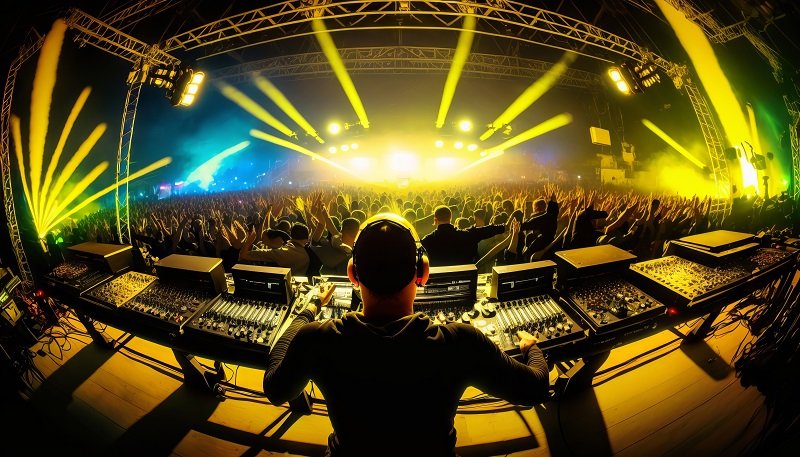
    Being a versatile DJ means adapting your mixing style to suit different events. Clubs and festivals are two of the most prominent settings, each with its unique dynamics, audience expectations, and challenges. Understanding these differences will help you tailor your performances for maximum impact in either environment.


    1. Understanding the Venue and Its Atmosphere

    Club Settings

    • Intimate Spaces: Clubs typically have smaller, enclosed spaces, creating a more personal connection with the audience.
    • Extended Sets: DJs often play longer sets, allowing for gradual buildups and storytelling.
    • Focused Sound Systems: Clubs prioritize bass-heavy, immersive sound tailored for close listening.

    Festival Settings

    • Open and Expansive: Festivals take place in large outdoor or tented areas with massive crowds.
    • Shorter Sets: Sets are often 60–90 minutes, requiring a more impactful and high-energy approach.
    • Wide-Area Sound: Sound systems are designed for long-distance projection, requiring balanced mixes to reach everyone.

    2. Audience Expectations

    Clubs

    • Club-goers expect a deep, evolving journey through your set.
    • You can experiment with lesser-known tracks or genres as the audience often consists of music enthusiasts.
    • The intimate setting encourages interaction, so reading the crowd’s energy is crucial.

    Festivals

    • Festival audiences want high-energy, hit-driven performances that captivate from the start.
    • With a diverse crowd, including casual listeners, familiar tracks and anthems work well.
    • Engaging stage presence is as important as the music, given the visual focus at festivals.
    Mixing for Different Events: Club vs. Festival
    Mixing for Different Events: Club vs. Festival

    3. Track Selection and Programming

    Clubs

    • Deep Cuts: Incorporate underground or niche tracks to connect with a more discerning audience.
    • Smooth Transitions: Gradual buildups and subtle transitions work well in a club atmosphere.
    • Dynamic Range: Play with tempos and energy levels to maintain interest over longer sets.

    Festivals

    • High-Energy Tracks: Stick to peak-time anthems and crowd-pleasers.
    • Quick Mixing: Shorten transitions to keep the energy consistent and the crowd engaged.
    • Big Drops: Build anticipation with dramatic breaks and powerful drops.

    4. Technical Considerations

    Clubs

    • Acoustics: Adjust your mix for confined spaces where bass can feel overwhelming.
    • Gear Setup: Familiarize yourself with club-standard equipment like Pioneer CDJs or analog mixers.
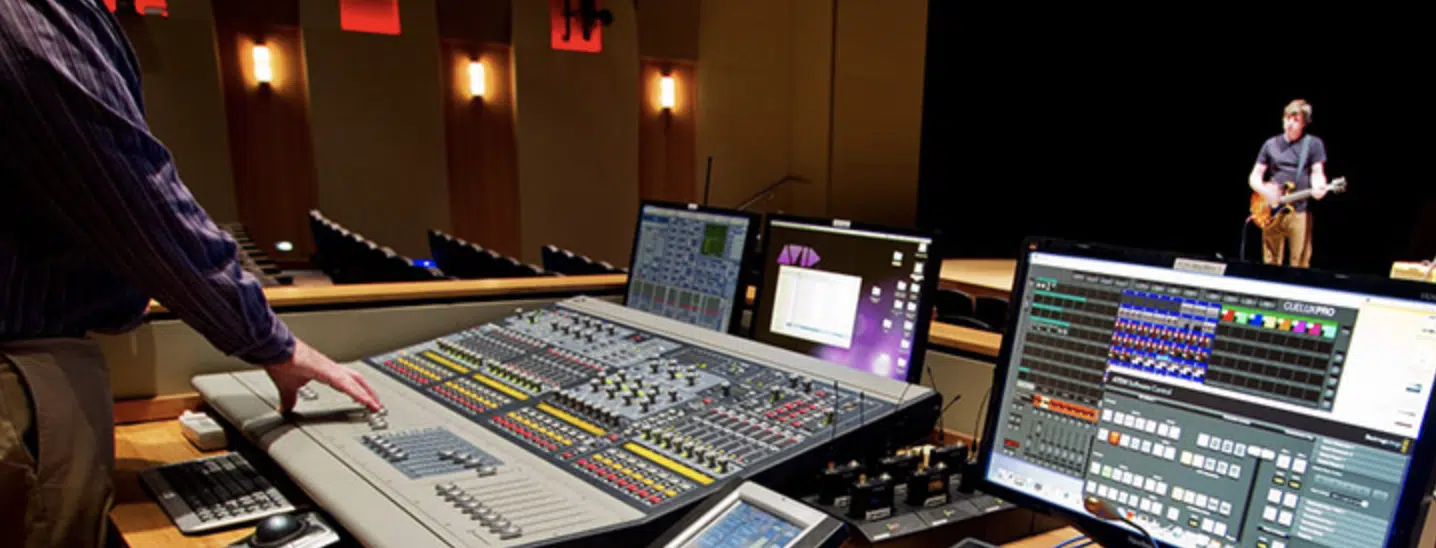
    • Lighting Sync: Coordinate with lighting engineers to match visuals with your performance.

    Festivals

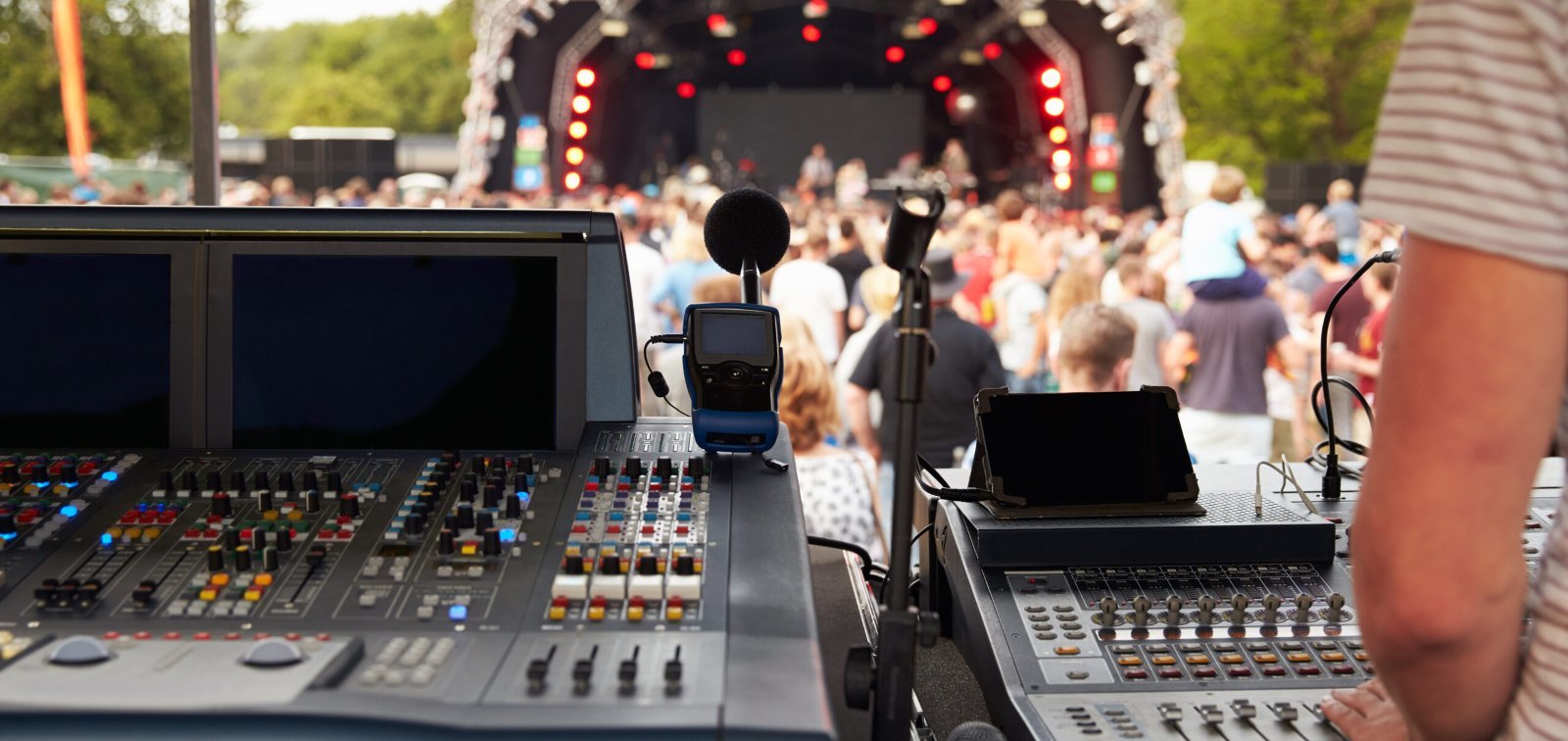
    • Wind and Weather: Outdoor settings can affect sound projection; rely on monitors for accurate playback.
    • Stage Monitors: Use them heavily to counteract sound delay from large speaker arrays.
    • Visual Integration: Sync your set with large-scale visuals or pyrotechnics for a complete sensory experience.

    5. Engaging the Audience

    Clubs

    • Eye Contact: Connect with individuals in the crowd to create a personal vibe.
    • Respond to Energy: Adjust your track selection based on real-time audience reactions.
    • Experimentation: Test new tracks or creative mixes in this forgiving environment.

    Festivals

    • Stage Presence: Use gestures and movement to engage with a large audience.
    • Microphone Use: Consider brief mic interaction to hype the crowd, depending on the festival’s style.
    • Energy Peaks: Ensure consistent high points to keep the energy flowing across the large crowd.

    6. Tips for Success in Both Settings

    • Prepare in Advance: Curate playlists suited for each environment, with room for on-the-fly adjustments.
    • Adapt to Gear: Understand the technical setup and sound system of the venue beforehand.
    • Stay Versatile: Be ready to switch genres or styles to match the vibe.
    • Keep an Eye on Timing: Know when to build, drop, and close to leave a lasting impression.

    Conclusion

    Mixing for clubs and festivals requires different approaches, but both share a common goal: creating an unforgettable experience for the audience. By understanding the nuances of each setting, from track selection to technical execution, you can adapt your style to shine in any environment.

    Mastering the art of mixing for diverse events not only enhances your skills but also broadens your appeal as a DJ, making you a standout performer in any setting.

  • Mixing for Radio Shows and Podcasts

    Mixing for Radio Shows and Podcasts

    Mixing for radio shows and podcasts involves a combination of technical skill and creative finesse. Unlike live DJ performances, these formats require precision, clarity, and storytelling through sound. Whether you’re creating a music-based radio show or a spoken-word podcast, understanding the nuances of mixing for these mediums can help you deliver top-notch audio content.


    1. Understanding the Goals of Mixing for Radio and Podcasts

    Radio shows and podcasts have unique audio requirements:

    • Consistency: Ensure a balanced volume across tracks and voices.
    • Clarity: Focus on clear speech and well-defined sound elements.
    • Engagement: Use sound design and transitions to captivate your audience.
    • Broadcast Standards: Follow specific loudness standards like LUFS (-16 for podcasts, -24 for radio).

    2. Essential Equipment for Mixing

    Invest in the right tools for professional audio production:

    Hardware

    • Microphones: Choose dynamic or condenser mics based on your recording environment.
    • Audio Interface: A high-quality interface ensures accurate sound capture and playback.
    • Studio Monitors: Use flat-response monitors for precise audio mixing.
    • Headphones: Closed-back headphones help with detailed editing and noise isolation.

    Software

    • DAW (Digital Audio Workstation): Programs like Audacity, Adobe Audition, or Logic Pro enable detailed mixing and editing.
    • Plugins: Use equalizers, compressors, and reverb plugins for sound enhancement.

    3. Preparing Your Tracks and Recordings

    Clean Your Audio

    • Use noise reduction tools to eliminate background noise and hum.
    • Edit out unnecessary silences, filler words, or mistakes.

    Organize Your Sessions

    • Arrange tracks for music, voice, and effects in separate channels.
    • Label and color-code your tracks for easy navigation.
    Mixing for Radio Shows and Podcasts
    Mixing for Radio Shows and Podcasts

    4. Balancing Audio Levels

    Achieving a balanced mix is crucial for listener comfort.

    Match Volume Levels

    • Use compressors and limiters to even out loud and soft parts of the audio.
    • Employ normalization to maintain consistent overall volume.

    EQ for Clarity

    • Boost midrange frequencies for vocals to make speech stand out.
    • Cut unnecessary low frequencies to reduce rumble or pops.

    5. Transitions and Flow

    Transitions are key to maintaining listener engagement in radio shows and podcasts.

    Smooth Crossfades

    • Use crossfades to transition between music tracks seamlessly.
    • Adjust the fade duration based on the tempo and mood of the tracks.

    Segues and Stingers

    • Add jingles, sound effects, or stingers between segments for a professional touch.
    • Match these elements to the tone of your show or podcast theme.

    6. Incorporating Music and Sound Effects

    Background Music

    • Keep background music subtle to avoid overshadowing the spoken word.
    • Use instrumental tracks to maintain focus on dialogue.

    Sound Effects

    • Use effects sparingly to emphasize key points or add humor.
    • Avoid overloading your mix with distracting sounds.

    7. Editing for Storytelling

    Podcasts and radio shows often rely on storytelling, requiring thoughtful editing.

    Arrange for Impact

    • Sequence segments to build narrative tension or maintain interest.
    • Use pauses effectively to emphasize important points.

    Cut Redundancies

    • Trim content to keep your show concise and engaging.
    • Focus on delivering value to your audience in every segment.

    8. Mastering Your Mix

    The mastering stage ensures your mix is polished and broadcast-ready.

    Loudness Standards

    • Follow platform-specific LUFS standards to avoid distortion or low volume playback.

    Final Compression and EQ

    • Apply gentle compression to glue your mix together.
    • Use a final EQ pass to fine-tune the overall tonal balance.

    Export Settings

    • Use high-quality formats like WAV or MP3 (128-192 kbps for radio, 320 kbps for podcasts).
    • Ensure proper metadata tagging for easy distribution.

    9. Testing and Feedback

    Before releasing your show or podcast, review your mix thoroughly:

    • Test Across Devices: Play your mix on headphones, monitors, and smartphones to ensure consistency.
    • Seek Feedback: Share your mix with peers or a test audience for constructive criticism.

    Conclusion

    Mixing for radio shows and podcasts requires attention to detail and a deep understanding of audio production techniques. By focusing on clarity, balance, and storytelling, you can create content that resonates with your audience and stands out in a competitive landscape. With practice and the right tools, you’ll be ready to deliver professional-quality mixes that keep listeners coming back for more.

  • The Challenges of Mixing Live: How to Handle Pressure

    The Challenges of Mixing Live: How to Handle Pressure

    Mixing live in front of an audience is one of the most thrilling yet challenging aspects of being a DJ. The stakes are high, with real-time decisions, audience energy, and technical reliability all demanding your focus. Learning to handle pressure effectively is a crucial skill for delivering seamless performances. This guide explores common challenges of live mixing and provides actionable strategies to overcome them.


    1. Common Challenges of Live Mixing

    Real-Time Decision Making

    Live performances require instant decisions on track selection, transitions, and effects.

    Technical Issues

    Unexpected problems like faulty cables, software crashes, or unresponsive gear can disrupt your flow.

    Crowd Dynamics

    Reading the crowd and adjusting your set to maintain energy can be unpredictable and stressful.

    Performance Anxiety

    The pressure to perform perfectly can lead to nervousness, affecting your focus and timing.


    2. Strategies for Handling Pressure During Live Sets

    Preparation is Key

    • Practice Regularly: Rehearse your set and transitions to build muscle memory.
    • Test Your Gear: Check all equipment before the show to ensure it’s working correctly.
    • Organize Playlists: Curate go-to playlists for various vibes or backup scenarios.

    Develop a Pre-Set Routine

    • Arrive Early: Use the extra time to set up, test your gear, and get comfortable with the venue.
    • Relaxation Techniques: Practice deep breathing or visualization to calm pre-performance nerves.

    Stay Flexible

    • Adapt to the Crowd: Monitor audience reactions and adjust your tracklist accordingly.
    • Improvise: Be ready to switch genres, tempos, or energy levels as needed.

    3. Dealing with Mistakes During a Live Set

    Mistakes are inevitable but manageable. Here’s how to recover gracefully:

    Stay Calm

    • Panicking can worsen the situation. Take a deep breath and focus on resolving the issue.

    Smooth Transitions

    • If a track skips or ends abruptly, use loops, effects, or beatmatching to bridge the gap.
    The Challenges of Mixing Live: How to Handle Pressure
    The Challenges of Mixing Live: How to Handle Pressure

    Acknowledge and Move On

    • Minor errors often go unnoticed by the crowd. Keep your energy up and continue confidently.

    Have Backups

    • Carry spare USBs, cables, and even a backup device to quickly recover from technical failures.

    4. Managing Technical Issues in Real Time

    Common Problems and Solutions

    • Sound Dropouts: Check cables and connections; switch to a backup source if needed.
    • Latency Issues: Adjust software settings or restart your system.
    • Unresponsive Gear: Reboot hardware or have a secondary controller on hand.

    Prepare for the Worst

    • Create a contingency plan for technical failures, such as playing pre-recorded mixes or switching to a simple setup.

    5. Building Confidence as a Live DJ

    Gain Experience

    • Start with smaller gigs to build confidence before tackling larger audiences.

    Positive Mindset

    • Focus on enjoying the moment rather than worrying about mistakes.

    Learn from Others

    • Observe experienced DJs to see how they handle live performance challenges.

    Practice Under Pressure

    • Simulate live conditions during practice by timing your transitions or inviting friends to critique your set.

    6. Staying Focused During High-Stakes Performances

    Minimize Distractions

    • Keep your workspace tidy and avoid unnecessary conversations during your set.

    Use Visual Aids

    • Utilize track waveforms, cue points, and BPM displays to stay on track.

    Stay Present

    • Avoid overthinking and immerse yourself in the music and the crowd’s energy.

    7. Balancing Creativity and Reliability

    Experiment Cautiously

    • While creativity is important, avoid trying entirely new techniques or unfamiliar tracks during high-pressure sets.

    Stick to What Works

    • Use tried-and-tested transitions and effects to maintain consistency and confidence.

    8. The Rewards of Overcoming Live DJing Challenges

    Despite its difficulties, live DJing is incredibly rewarding. Successfully navigating challenges builds resilience, enhances your skills, and deepens your connection with the audience. Over time, you’ll find that the pressure becomes a motivating force, pushing you to deliver your best performance.


    Conclusion

    Mixing live is both an art and a test of adaptability. By preparing thoroughly, staying calm under pressure, and learning to recover from mistakes, you can turn challenges into opportunities for growth. Embrace the unpredictability of live DJing, and let it inspire your creativity and passion for the craft.

    With these strategies, you’ll not only handle pressure effectively but also elevate your performances to new heights.

  • Tips for Perfecting Your Mixing Workflow

    Tips for Perfecting Your Mixing Workflow

    Mastering your mixing workflow is essential for DJs who want to deliver flawless performances and create seamless sets. A well-organized workflow improves your efficiency, minimizes errors, and allows you to focus on creativity. Whether you’re a beginner or an experienced DJ, these tips will help you perfect your mixing workflow and elevate your skills.


    1. Organize Your Music Library

    An efficient music library is the backbone of a smooth workflow.

    • Tag Your Tracks: Use metadata to tag tracks with genres, tempos, and energy levels.
    • Create Playlists or Crates: Organize your music into playlists based on set themes or vibes.
    • Rate Your Tracks: Assign ratings to your songs to identify crowd-pleasers and hidden gems.
    • Remove Duplicates: Regularly clean up your library to avoid clutter.

    2. Understand Your Equipment

    Familiarity with your DJ gear is crucial for a seamless workflow.

    • Know Your Mixer: Practice using EQs, filters, and effects to their fullest potential.
    • Master Your Controller: Learn all the features of your DJ controller or software.
    • Customize Settings: Adjust settings like crossfader curves and headphone cues to suit your style.

    3. Plan Your Set Intelligently

    While spontaneity is essential, having a plan can guide your performance.

    • Analyze the Audience: Tailor your set to match the crowd’s energy and preferences.
    • Structure Your Set: Start with a strong opener, build energy, and finish with memorable tracks.
    • Prepare Transitions: Identify key points in your tracks for smooth transitions.

    4. Practice Beatmatching and Timing

    Precision in timing and beatmatching is vital for creating seamless mixes.

    • Manual Beatmatching: Practice aligning tempos without relying on sync functions.
    • Cueing Techniques: Use headphones to accurately cue tracks before introducing them.
    • Transition Timing: Drop your next track at the right moment to maintain flow.

    5. Leverage Effects and Loops

    Effects and loops can enhance your mixes when used thoughtfully.

    • Use Effects Sparingly: Avoid overloading your set with effects; subtlety often works best.
    • Experiment with Loops: Extend intros or outros for smoother transitions.
    • Sync Effects to BPM: Align effects like delays and echoes with the track’s tempo for consistency.

    6. Prepare for the Unexpected

    Live performances often come with surprises.

    • Carry Backups: Bring spare cables, USBs, or hard drives with your music library.
    • Practice Recovery: Learn how to quickly recover from technical glitches or mistakes.
    • Adapt to Changes: Stay flexible and adjust your set based on the crowd’s response.
    Tips for Perfecting Your Mixing Workflow
    Tips for Perfecting Your Mixing Workflow

    7. Streamline Your Setup

    A clutter-free setup ensures you stay focused.

    • Optimize Equipment Placement: Arrange gear for easy access to essential controls.
    • Cable Management: Use cable organizers to avoid tangling and accidental disconnections.
    • Declutter Your Workspace: Keep only the necessary tools on your DJ booth.

    8. Record and Review Your Sets

    Listening back to your performances can reveal areas for improvement.

    • Analyze Transitions: Identify weak transitions and refine them in practice.
    • Check Track Selection: Evaluate how well your track choices flowed together.
    • Note Audience Reactions: Pay attention to which tracks received the best responses.

    9. Develop a Pre-Performance Routine

    Preparing mentally and physically ensures you’re in the right mindset.

    • Check Your Gear: Inspect and test all equipment before the performance.
    • Visualize Success: Mentally rehearse your set to boost confidence.
    • Relax and Focus: Practice breathing exercises to stay calm under pressure.

    10. Continuously Improve Your Skills

    Growth as a DJ comes from learning and experimenting.

    • Stay Updated: Keep up with new music, techniques, and gear.
    • Learn from Others: Watch tutorials, attend workshops, or collaborate with fellow DJs.
    • Experiment with Styles: Explore genres and mixing styles to broaden your horizons.

    Conclusion

    Perfecting your mixing workflow takes time, effort, and dedication. By organizing your music, mastering your equipment, and continuously practicing, you can develop a seamless process that allows you to focus on your creativity and connection with the audience.

    With these tips, you’re well on your way to becoming a more efficient and professional DJ. Let your workflow empower you to deliver unforgettable performances!

  • Exploring the Role of DJs in Music Festivals

    Exploring the Role of DJs in Music Festivals

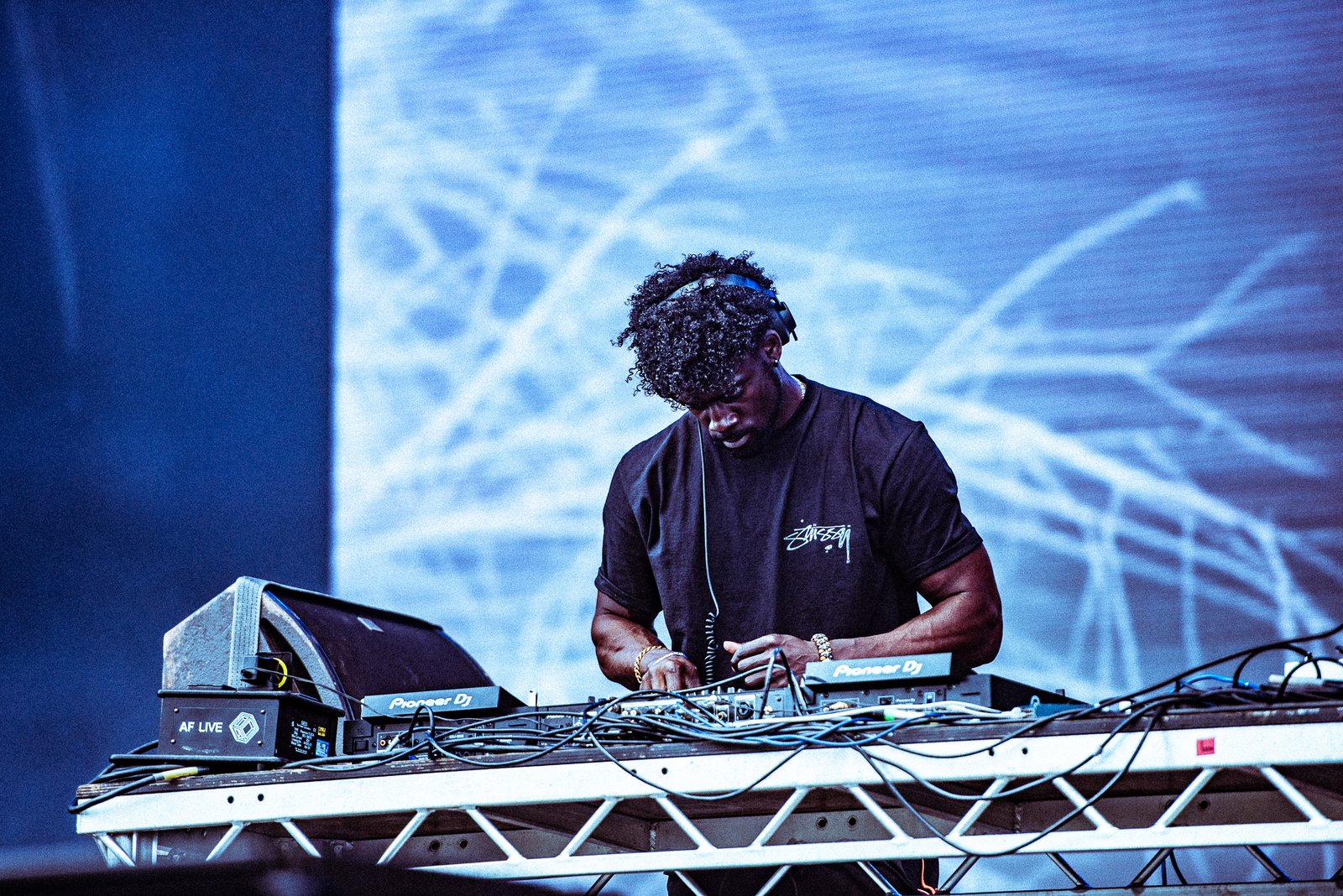
    Music festivals are known for their electrifying atmosphere, huge crowds, and unforgettable performances. At the heart of this experience are the DJs, who serve as the architects of the event’s energy. From curating the lineup to reading the crowd’s vibe, DJs have a significant role in shaping the festival experience. In this post, we’ll dive into the key responsibilities and influence of DJs in music festivals.

    Exploring the Role of DJs in Music Festivals
    Exploring the Role of DJs in Music Festivals

    Curating the Perfect Setlist

    One of the main roles of a DJ at a music festival is curating the perfect setlist. DJs have an incredible ability to mix and match tracks that flow seamlessly, keeping the energy levels high throughout their performance. Unlike other performers, DJs are not simply playing pre-written songs; they’re creating an evolving experience for the audience. This means they must carefully select tracks, adjust the tempo, and create smooth transitions to maintain a steady flow. The setlist is often a mix of crowd favorites, new tracks, and deep cuts, all designed to keep the energy at a peak.

    Reading and Engaging the Crowd

    Another critical role of a DJ in a music festival is reading and engaging with the crowd. A skilled DJ has the ability to sense the mood of the audience and adapt their performance accordingly. If the crowd is losing energy, a DJ can bring it back up with a high-energy track. On the other hand, if the crowd needs a moment to breathe, a DJ might slow things down with a more chill song. This real-time interaction with the crowd is what makes DJ performances so unique—they’re not just playing music, they’re guiding the emotional experience of the event.

    Creating Unforgettable Moments

    DJs are often the creators of some of the most unforgettable moments at music festivals. Whether it’s a massive drop that gets everyone jumping, a surprise guest appearance, or an exclusive track premiere, DJs are responsible for delivering those “wow” moments that fans talk about long after the festival ends. The excitement around these moments is a big part of what makes festivals so special. DJs know how to build tension, create anticipation, and then release it at the perfect moment, making the crowd feel like they’re part of something larger than just a performance.

    Building the Festival’s Atmosphere

    The atmosphere of a music festival is largely shaped by the DJs performing. They don’t just play music—they help define the vibe and energy of the entire event. A DJ can set the tone for the entire day or night, whether it’s with chill, laid-back beats during the afternoon or high-energy anthems in the evening. The selection of DJs for different time slots is crucial to maintaining a balance throughout the festival. This variety in energy ensures that attendees stay engaged and enjoy the event from start to finish.

    Collaborating with Other Artists and Producers

    While the DJ may be the primary performer, music festivals are often collaborative events where many different artists and producers come together. DJs work closely with other musicians, vocalists, and visual artists to create an immersive experience for the audience. Many festivals feature live sets, where DJs mix in real-time with live instruments or vocals. These collaborations add depth to the music and create unique experiences that can’t be replicated elsewhere. This collaboration is one of the aspects that makes music festivals a dynamic and ever-evolving platform for artistic expression.

    Conclusion

    In conclusion, DJs play an integral role in the success of music festivals. From curating sets to reading the crowd and creating unforgettable moments, DJs shape the festival experience in ways that no other artist can. Their ability to adapt, engage, and create energy is what makes festivals truly unforgettable. As festival culture continues to grow, the role of the DJ will remain at the heart of the action, delivering experiences that fans will cherish for years to come.

  • How to Mix Vinyl Records on a Digital DJ Setup

    How to Mix Vinyl Records on a Digital DJ Setup

    Combining vinyl records with a digital DJ setup offers DJs the best of both worlds: the warm, authentic sound of vinyl and the versatility of digital tools. This hybrid approach is gaining popularity among DJs who want to explore new creative possibilities while staying true to the art of analog DJing. This guide walks you through the essentials of mixing vinyl records on a digital DJ setup.


    1. Why Mix Vinyl with Digital Tools?

    Merging vinyl and digital DJing enhances your performance by:

    • Expanding Track Options: Access both vinyl and digital music libraries.
    • Enhancing Creativity: Apply digital effects and features to vinyl tracks.
    • Preserving Vinyl’s Authenticity: Combine the tactile experience of vinyl with the convenience of digital tools.

    2. Essential Gear for Mixing Vinyl and Digital

    To set up your hybrid DJ rig, you’ll need:

    Turntables

    • Choose direct-drive turntables like Technics SL-1200 or Pioneer PLX-1000 for stability and precision.

    Mixer with Digital Integration

    • A mixer compatible with both analog and digital inputs ensures seamless transitions between formats.

    Audio Interface or Digital Vinyl System (DVS)

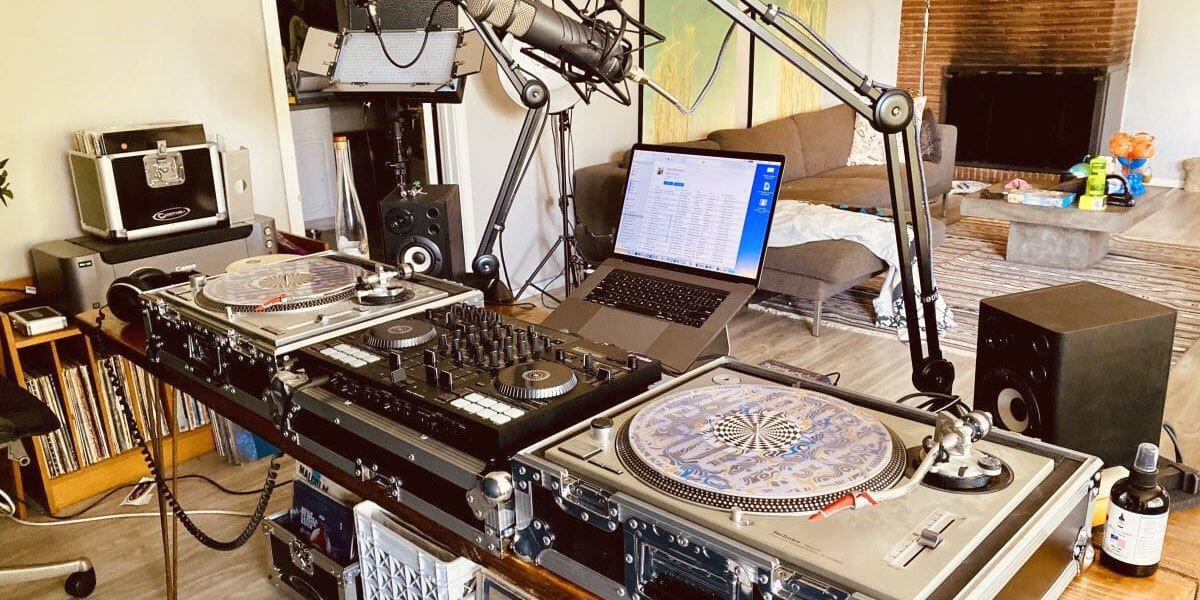
    • A DVS, such as Serato DJ, Rekordbox, or Traktor Scratch, lets you control digital tracks with timecode vinyl.

    DJ Software

    • Install software that supports your DVS, offering features like looping, effects, and cue points.

    Speakers and Headphones

    • Invest in high-quality monitors and headphones for accurate sound monitoring.

    Cables and Accessories

    • Use RCA cables, USB connections, and grounding wires for a reliable setup.

    3. Setting Up Your Hybrid DJ System

    Follow these steps to connect your vinyl and digital equipment:

    How to Mix Vinyl Records on a Digital DJ Setup
    How to Mix Vinyl Records on a Digital DJ Setup
    1. Connect Turntables to Mixer
      • Plug your turntables into the phono inputs of your mixer. Ensure the grounding wires are attached to reduce noise.
    2. Set Up the DVS
      • Connect the mixer to your computer via an audio interface. Install and configure the DVS software for timecode control.
    3. Configure DJ Software
      • Load your digital music library and calibrate the timecode vinyl in the software.
    4. Test Your Setup
      • Play a vinyl record and a digital track to ensure both inputs work seamlessly.

    4. Techniques for Mixing Vinyl and Digital Tracks

    Beatmatching

    • Manually adjust the pitch of vinyl records to match the tempo of digital tracks. Use visual waveforms in the software for assistance.

    Cueing

    • Use your headphones to prepare tracks. Place the needle precisely on the record for accurate cueing.

    Blending

    • Mix analog and digital tracks by gradually adjusting the EQs and faders to create smooth transitions.

    Layering Effects

    • Apply digital effects like filters, reverb, or delays to vinyl tracks to add depth and creativity.

    Scratching

    • Use turntables for scratching while incorporating loops or samples from your digital library.

    5. Tips for Successful Hybrid DJing

    • Maintain Your Gear: Clean and align your turntables regularly for optimal performance.
    • Organize Your Music: Categorize vinyl records and digital tracks for quick access during sets.
    • Practice Beatmatching: Vinyl mixing is a manual process, so dedicate time to refining this skill.
    • Use Digital Tools Sparingly: Avoid overloading vinyl tracks with effects to preserve their analog charm.
    • Experiment: Explore creative combinations of vinyl and digital elements to develop your unique style.

    6. Common Challenges and Solutions

    Latency Issues

    • Use high-quality audio interfaces and adjust software settings to minimize latency.

    Vinyl Maintenance

    • Keep records clean and store them properly to avoid skips and distortion.

    Software Configuration

    • Take time to learn the settings and features of your DVS software to ensure smooth operation.

    7. Advantages of Hybrid DJing

    Combining vinyl and digital DJing offers several benefits:

    • Flexibility: Mix different formats effortlessly.
    • Enhanced Creativity: Incorporate digital loops, samples, and effects.
    • Authenticity: Retain the tactile experience of vinyl.
    • Professional Appeal: Showcase technical skill by mastering both analog and digital tools.

    8. Getting Started with Hybrid DJing

    To begin mixing vinyl on a digital DJ setup:

    1. Invest in reliable gear and software.
    2. Build a diverse music collection in both vinyl and digital formats.
    3. Dedicate time to learning the fundamentals of vinyl DJing.
    4. Experiment with digital effects and features to complement your vinyl tracks.
    5. Perform live or record practice sets to refine your technique.

    Conclusion

    Mixing vinyl records on a digital DJ setup is an exciting way to blend tradition with innovation. This hybrid approach enhances your artistry, offering the tactile satisfaction of vinyl and the endless possibilities of digital tools. Whether you’re performing at a club or exploring new techniques at home, mastering this skill can elevate your DJing to new heights.

  • The Resurgence of Vinyl DJing: Why It’s Making a Comeback

    The Resurgence of Vinyl DJing: Why It’s Making a Comeback

    Vinyl DJing is experiencing a notable resurgence, with DJs and music enthusiasts returning to this analog medium despite the dominance of digital tools. What makes vinyl DJing so appealing today? From its unmatched sound quality to its cultural significance, vinyl is reclaiming its place in the world of music.


    1. The Unique Appeal of Vinyl Sound

    Vinyl records are revered for their warm, rich, and authentic sound. Unlike digital formats, which can sometimes feel compressed or artificial, vinyl delivers a full-bodied audio experience that resonates with listeners. The analog nature of vinyl captures subtle nuances in music, offering a depth and texture that digital formats often lack.

    For DJs, this sound quality can elevate their sets, creating a more immersive experience for audiences.


    2. The Tactile Experience of Vinyl DJing

    Vinyl DJing is a hands-on art form that connects DJs directly to their music. The process of cueing, scratching, and beatmatching vinyl records requires skill and precision, making it a rewarding and engaging experience.

    Unlike digital controllers, vinyl turntables offer a physical interaction that enhances the creative process. DJs often describe the act of spinning records as more authentic and emotionally connected than working with digital setups.


    3. Cultural and Historical Significance

    Vinyl DJing is deeply rooted in the history of music and dance culture. It was instrumental in the rise of hip-hop, disco, house, and techno, with legendary DJs like Grandmaster Flash and Frankie Knuckles pioneering the craft.

    By using vinyl, DJs pay homage to this rich legacy, preserving the techniques and traditions that shaped modern DJing. This cultural appreciation is driving many DJs to embrace vinyl as a way to honor the past while innovating for the future.


    4. The Role of Vinyl in Today’s Music Scene

    Crate-Digging Renaissance

    Crate-digging—searching through record stores or flea markets for unique vinyl finds—has become a cherished practice among DJs. This quest for rare and obscure records allows DJs to curate truly unique sets, setting them apart in a digital-dominated landscape.

    Vinyl in Club Culture

    Many clubs are reinvesting in vinyl setups, with turntables once again becoming standard equipment in DJ booths. This shift is partly driven by a renewed appreciation for the art of vinyl mixing and the desire to offer audiences an authentic experience.

    Vinyl-Only Events

    Vinyl-only DJ events are growing in popularity, celebrating the artistry and skill required to spin records. These events attract both seasoned DJs and newcomers eager to experience the magic of analog music.

    The Resurgence of Vinyl DJing
    The Resurgence of Vinyl DJing

    5. Vinyl as a Counterpoint to Digital Overload

    In an era where digital technology dominates every aspect of life, vinyl offers a refreshing alternative. It encourages DJs to slow down, focus on the music, and connect with their craft in a meaningful way.

    For audiences, vinyl sets often feel more personal and intimate, providing a welcome break from the hyper-polished sounds of digital production.


    6. Challenges and Triumphs of Vinyl DJing

    Challenges

    • Cost: Vinyl records and equipment can be expensive, making it a significant investment for DJs.
    • Portability: Transporting vinyl collections and turntables is more cumbersome compared to digital gear.
    • Maintenance: Proper care is essential to prevent wear and ensure optimal sound quality.

    Triumphs

    • Uniqueness: Vinyl DJs can create sets that stand out due to the exclusivity of their records.
    • Authenticity: The analog nature of vinyl adds an undeniable charm to performances.
    • Mastery: The technical skill required for vinyl DJing commands respect and admiration in the music community.

    7. Modern Innovations in Vinyl DJing

    While traditional vinyl DJing remains popular, modern technology has introduced hybrid solutions that bridge the gap between analog and digital.

    • Digital Vinyl Systems (DVS): Systems like Serato and Traktor allow DJs to use vinyl turntables with digital files, combining the best of both worlds.
    • Reissues and Pressings: Record labels are reissuing classic tracks on vinyl, making it easier for DJs to access timeless music.
    • Portable Turntables: Compact and lightweight turntables are making vinyl DJing more accessible.

    8. How to Get Started with Vinyl DJing

    For those inspired by the resurgence of vinyl, here are some steps to begin your journey:

    1. Invest in Quality Gear: Start with reliable turntables, a mixer, and headphones.
    2. Build a Record Collection: Explore local record stores, online marketplaces, and crate-digging events.
    3. Learn the Basics: Practice beatmatching, cueing, and mixing techniques on vinyl.
    4. Connect with the Community: Attend vinyl-only events and network with other DJs.
    5. Keep Practicing: Vinyl DJing is a skill that improves with time and dedication.

    Conclusion

    The resurgence of vinyl DJing is a testament to its enduring appeal. From its superior sound quality and tactile engagement to its cultural significance, vinyl offers a DJing experience that’s both nostalgic and innovative.

    Whether you’re a seasoned DJ or a beginner, embracing vinyl can deepen your connection to music and elevate your artistry. So dust off those records, fire up the turntables, and let the grooves guide you. Vinyl is back, and it’s here to stay.

  • The Importance of Soundproofing for DJ Setups

    The Importance of Soundproofing for DJ Setups

    Soundproofing is often overlooked by DJs when setting up their gear, but it plays a crucial role in delivering the best possible experience. Whether you’re DJing at home, in a club, or during a live event, soundproofing ensures that both you and your audience enjoy optimal sound quality. It also helps prevent unwanted noise from disturbing others. In this post, we’ll dive into why soundproofing is essential for DJ setups and how it can improve your performance.

    The Importance of Soundproofing for DJ Setups
    The Importance of Soundproofing for DJ Setups

    Better Sound Quality for Your DJ Setup

    The most obvious reason to soundproof your DJ setup is to improve sound quality. Without proper soundproofing, sound can bounce off walls, ceilings, and floors, leading to unwanted reverb or distortion. This makes it difficult for you to hear the true quality of your mix, and it can impact your ability to make accurate adjustments. Soundproofing helps contain the sound within the space, allowing you to hear every detail clearly and ensure that your audience experiences the full depth of your tracks.

    Prevent Noise Complaints from Neighbors

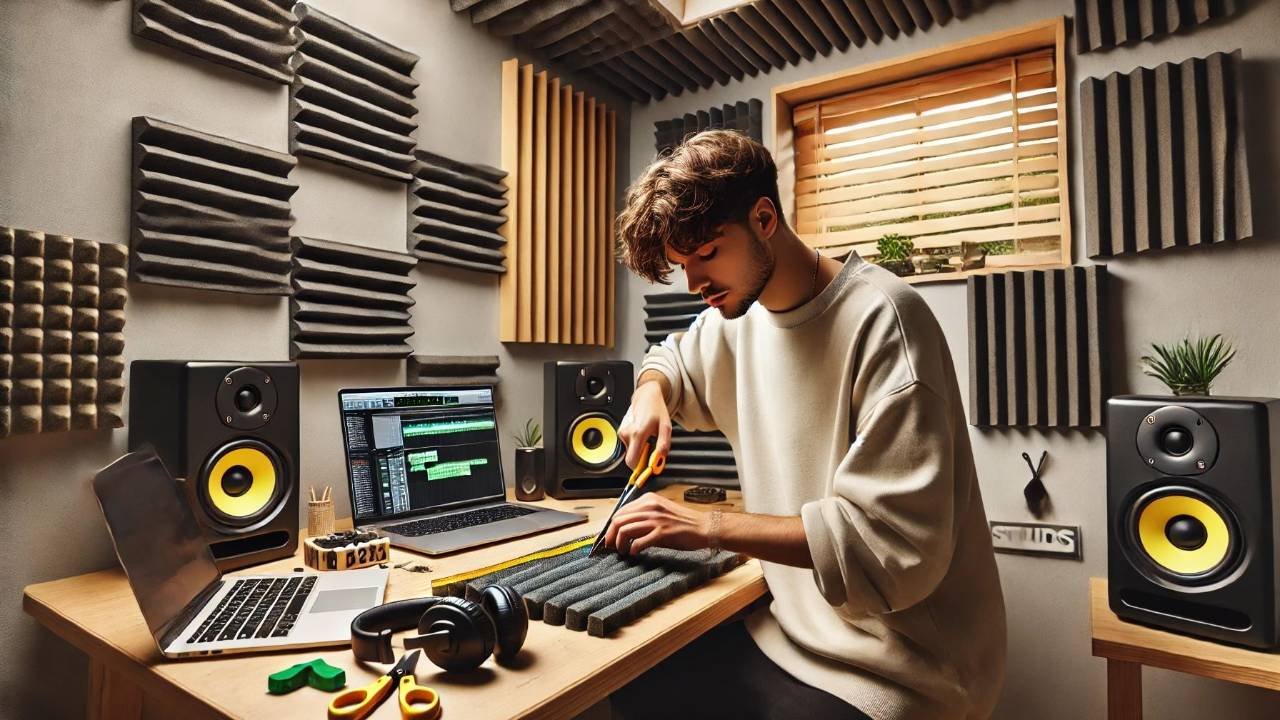
    For DJs who practice or perform in residential areas, noise complaints can be a major issue. Late-night sessions or loud rehearsals often disturb neighbors, and constant noise can lead to tension or even fines. Soundproofing your DJ setup is a great way to minimize the noise that escapes into the surrounding environment. By using materials like foam panels, bass traps, and insulation, you can significantly reduce sound leakage. This not only keeps the peace with neighbors but also lets you practice without worry.

    Improved Acoustic Control

    Acoustic control is another vital benefit of soundproofing. DJs need to be able to control the acoustics of their setup to achieve the best sound. Without soundproofing, the room’s natural acoustics can affect how your music sounds. Excessive echo, resonance, or sound distortion can make it harder to judge your mix. With proper soundproofing techniques, you can better manage how sound behaves within the space. This allows you to mix tracks more accurately and deliver a more professional performance.

    Reducing Outside Interference

    Soundproofing helps reduce external noise interference, ensuring that you’re not distracted by outside sounds. Whether it’s traffic, street noise, or other household sounds, unwanted noise can be a huge distraction during a DJ set. Soundproofing your setup creates a more controlled environment where you can focus entirely on the music, helping you deliver your best performance every time. Additionally, it prevents outside noise from leaking in during live performances, ensuring that your audience only hears the sound you want them to hear.

    Creating a Professional Environment

    Finally, soundproofing creates a more professional setup. When you take the time to properly soundproof your space, it shows that you care about the quality of your performance. Not only does it improve your own experience, but it also enhances the overall experience for anyone who’s listening. Whether you’re recording, practicing, or performing, a well-soundproofed DJ setup creates a polished, professional atmosphere that elevates the entire event.

    Conclusion

    In conclusion, soundproofing is an essential component of any DJ setup. It improves sound quality, reduces noise complaints, and gives you better control over your mix. By soundproofing your space, you can ensure that you’re delivering the best possible performance while maintaining a professional environment. Whether you’re DJing in a studio, a club, or at home, investing in soundproofing is a wise decision that pays off in the long run.