Blog

  • How to Maintain Your DJ Equipment for Longevity

    How to Maintain Your DJ Equipment for Longevity

    As a DJ, your equipment is your most valuable asset. Whether you’re mixing live at a club, recording podcasts, or performing at events, keeping your gear in top shape is essential for consistent performance and longevity. Regular maintenance can prevent costly repairs, extend the lifespan of your equipment, and ensure you’re always ready to rock the crowd. In this article, we’ll cover the essential tips on how to maintain your DJ equipment for optimal performance.


    1. Keep Your Gear Clean

    Dirt, dust, and grime can accumulate on your DJ equipment over time, affecting its functionality and performance. Regular cleaning is essential to prevent buildup and maintain smooth operation.

    Tips for Cleaning Your DJ Equipment:

    • Turntables and CDJs: Wipe down surfaces with a soft, lint-free cloth. Use a microfiber cloth for the screen and display areas, and avoid harsh chemicals that could damage sensitive components.
    • Mixing Consoles and Controllers: Dust off knobs and buttons using a soft brush. For deeper cleaning, dampen a cloth with water (never spray liquid directly on the gear) and gently wipe down the surfaces.
    • Headphones: Clean the ear pads with a disinfecting wipe or a soft cloth. Make sure to remove any earwax or buildup that can affect sound quality.
    • Cables and Connections: Regularly check cables for dirt and dust. Use compressed air to blow out any dirt in the connectors and ensure cables are securely connected and undamaged.

    2. Store Your Equipment Properly

    Proper storage is critical to protect your gear from dust, moisture, and physical damage. If you transport your equipment regularly, invest in durable bags, cases, or flight cases designed for DJ gear.

    Storage Tips:

    • Use Flight Cases or Padded Bags: Protect your equipment from bumps and scratches when traveling. Always store your gear in cases that offer protection from impact and environmental factors.
    • Avoid Humidity: Keep your gear in a cool, dry environment. Excessive humidity can lead to rust or mold growth, especially on metal parts, and can damage your electronics.
    • Cover Your Gear: If you’re storing your equipment at home, cover it with a dust cloth or a specific cover designed for your gear to protect it from dust and dirt buildup.
    • Store Turntables Upright: Always store turntables in an upright position to avoid pressure on the tonearm, which could cause misalignment or damage.

    3. Maintain Your Turntables and Vinyl

    For vinyl DJs, turntables and records require special attention. Proper care can prevent wear and tear and ensure optimal sound quality.

    Turntable Maintenance:

    • Clean the Stylus: The stylus (needle) of your turntable should be cleaned regularly. Use a stylus brush to gently remove dust and debris. Dirty styluses can cause poor sound quality and damage your records.
    • Check the Tonearm: Regularly check that the tonearm is balanced and functioning correctly. An imbalanced tonearm can cause the stylus to wear unevenly, damaging both the needle and your vinyl records.
    • Keep Turntable Parts Lubricated: Check the motor, platter, and other moving parts for lubrication. If necessary, apply the recommended lubricant to ensure smooth rotation and operation.
    How to Maintain Your DJ Equipment for Longevity
    How to Maintain Your DJ Equipment for Longevity

    Vinyl Record Maintenance:

    • Store Records Properly: Store vinyl records vertically, away from heat and direct sunlight. Use high-quality record sleeves to protect the grooves from dust and scratches.
    • Clean Your Vinyl: Use a carbon fiber brush before playing your records to remove dust. For deeper cleaning, use a record cleaning solution or machine to remove grime that could affect the sound.

    4. Keep Your Cables and Connectors in Good Condition

    Cables are essential to connecting your DJ equipment, and worn or damaged cables can cause performance issues, including signal loss and interruptions. To ensure longevity, pay attention to cable care and maintenance.

    Cable Care Tips:

    • Avoid Kinking: Always coil cables loosely. Kinking or tightly winding cables can cause internal damage that affects signal transmission.
    • Check for Wear and Tear: Regularly inspect cables for fraying, exposed wires, or bent connectors. Replace cables as needed to prevent signal loss or potential damage to your equipment.
    • Store Cables Neatly: When not in use, store cables properly in a cool, dry place. Use cable organizers or tie-wraps to keep cables untangled and prevent damage.

    5. Update Software and Firmware Regularly

    For digital DJ setups, software and firmware updates are essential for ensuring that your equipment stays up to date with the latest features and bug fixes. Neglecting to update your DJ software could lead to compatibility issues or poor performance during your sets.

    Software and Firmware Maintenance Tips:

    • Regularly Update Software: Ensure your DJ software (e.g., Serato, Traktor, Rekordbox) is updated to the latest version. Check the manufacturer’s website or your software’s help section for update notifications.
    • Firmware Updates for Hardware: Many DJ controllers, mixers, and turntables have firmware updates that improve functionality or fix bugs. Check your equipment manufacturer’s website for updates and follow the installation instructions carefully.
    • Back Up Your Data: Regularly back up your music library, playlists, and settings to avoid losing any important data in case of a software crash or malfunction.

    6. Perform Regular Inspections

    Periodically inspect your DJ equipment to ensure everything is functioning as it should. Identifying small issues early can help you address them before they become major problems.

    What to Check During Inspections:

    • Look for Physical Damage: Inspect all parts of your equipment for any cracks, chips, or signs of physical damage.
    • Test All Functions: Regularly test each function of your equipment (e.g., crossfader, pitch control, jog wheels) to ensure they are working properly.
    • Check Audio Output: Pay attention to sound quality, and make sure there is no distortion, loss of signal, or buzzing noises coming from your equipment.

    7. Avoid Overworking Your Gear

    DJ equipment, like any electronic device, can wear out if overused. Avoid running your gear for extended periods without breaks, especially during long sets or gigs.

    How to Prevent Overworking Your Equipment:

    • Take Breaks: Allow your equipment to cool down between long sets. Overheating can shorten the lifespan of your gear.
    • Use Power Surges and Protectors: Invest in a quality power surge protector to avoid damaging your gear due to power surges or electrical issues.

    8. Get Professional Servicing When Needed

    Even with the best maintenance, your DJ equipment may occasionally need professional servicing. Take your gear to a certified technician if you notice any issues that can’t be resolved through regular cleaning and maintenance.


    Conclusion

    Maintaining your DJ equipment is essential for ensuring its longevity and reliability, allowing you to perform at your best every time you step up to the booth. By keeping your gear clean, storing it properly, maintaining your vinyl and turntables, and regularly inspecting and updating your equipment, you’ll extend its lifespan and avoid costly repairs. Treat your DJ gear with care, and it will reward you with many years of exceptional performance.

  • The History of Electronic Music

    The History of Electronic Music

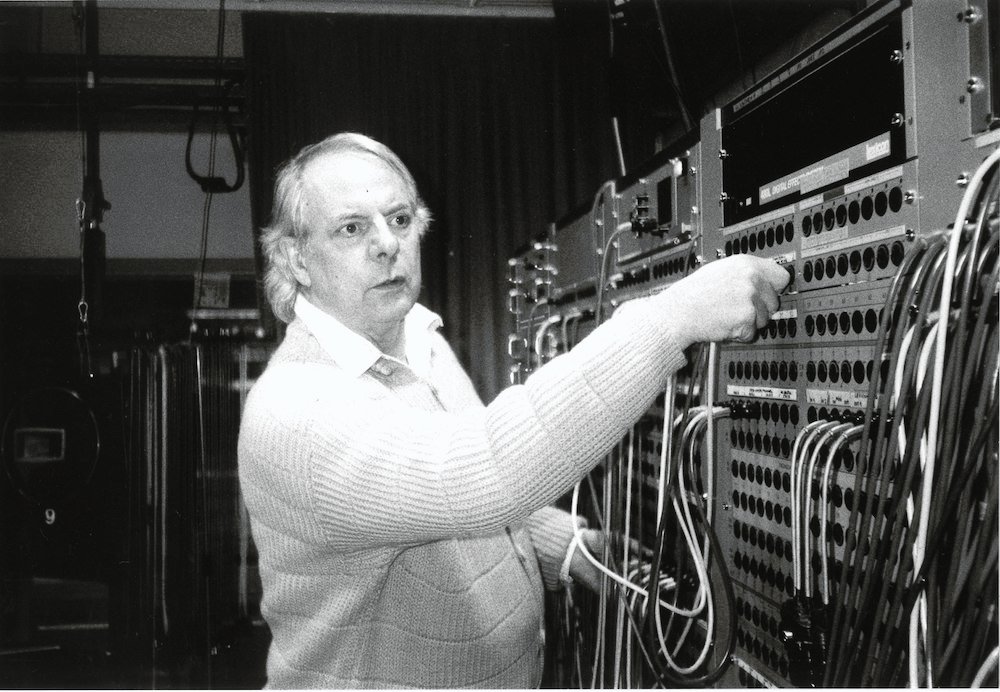
    Electronic music has become a dominant force in the music industry today. It is known for its unique sound and innovative use of technology. But where did it all start? In this post, we will explore the history of electronic music, from its early beginnings to its influence on modern sounds.

    The History of Electronic Music
    The History of Electronic Music

    The Early Beginnings of Electronic Music

    Electronic music dates back to the early 20th century. In the 1920s, composers began experimenting with electrical instruments. One of the first notable instruments was the theremin, created by Léon Theremin in 1920. It was the first instrument to be played without physical contact. This sparked interest in creating more electronic sounds in music.

    The Rise of Synthesizers in the 1960s

    The 1960s marked a turning point in the history of electronic music. The development of the synthesizer brought new possibilities. In 1964, Robert Moog introduced the Moog synthesizer. This innovation allowed musicians to create and manipulate sounds electronically. Artists like Wendy Carlos and Kraftwerk embraced synthesizers, revolutionizing the sound of music.

    The Influence of Disco and House Music in the 1970s and 1980s

    The 1970s and 1980s saw the rise of dance music. Disco became a cultural phenomenon, and electronic music played a key role. The use of drum machines and synthesizers became widespread in clubs and studios. In Chicago, house music emerged, blending electronic sounds with disco influences. It spread globally, becoming a staple in dance clubs.

    The Explosion of Techno and EDM in the 1990s

    In the 1990s, electronic music entered the mainstream. Genres like techno, trance, and drum and bass became hugely popular. The advent of digital production tools made it easier to create complex sounds. Raves and electronic music festivals grew in popularity, with large crowds flocking to see top DJs. Artists like Daft Punk, The Chemical Brothers, and Fatboy Slim brought electronic music to a wider audience.

    The Modern Era of Electronic Music

    Today, electronic music is a dominant force in global music culture. Artists like Calvin Harris, Avicii, and Skrillex have achieved worldwide success. Electronic dance music (EDM) festivals draw massive crowds, and electronic sounds influence many genres, from pop to hip-hop. Technology continues to push the boundaries, with new software and hardware shaping the future of sound.

    Conclusion: A Sound Revolution

    The history of electronic music is a story of constant innovation. From the theremin to today’s EDM hits, technology has always played a central role. Electronic music has transformed how we produce, perform, and experience music. As technology evolves, so too will the sounds of tomorrow, continuing to shape music for future generations.


  • Exploring the Different Genres of Music

    Exploring the Different Genres of Music

    Music is an integral part of human culture, and its diversity is one of the reasons why people connect with it across the globe. With so many genres available, it can be overwhelming to choose a favorite or even explore new types. In this post, we will explore the different genres of music, their unique features, and how each genre has contributed to the evolution of modern music. Let’s dive in!

    Exploring the Different Genres of Music
    Exploring the Different Genres of Music

    Understanding the Evolution of Music Genres

    Music genres have evolved over centuries, reflecting changes in society, culture, and technology. Early on, music has roots in classical compositions, which then branched into more varied forms over time. The invention of new instruments, the spread of cultural influences, and technological advancements in recording all contributed to the development of multiple genres. From jazz to pop, rock to hip-hop, each genre has its own rich history that continues to shape today’s music scene.

    Pop Music: The Sound of the Masses

    Pop music is often regarded as the most universally appealing genre. With catchy melodies, simple lyrics, and a focus on rhythm, pop music tends to capture a wide audience. Artists like Michael Jackson, Madonna, and Taylor Swift have revolutionized the genre, turning pop into a global phenomenon. What sets pop apart is its adaptability; it blends elements from various genres, making it easy to merge with other styles like dance, electronic, and even country music. This versatility ensures that pop remains relevant across generations.

    Rock Music: A Timeless Classic

    Rock music has been a defining genre since the 1950s, and it continues to inspire millions worldwide. Characterized by electric guitars, strong drum beats, and powerful vocals, rock music often conveys intense emotions, from rebellion to love. The genre exploded in popularity in the 60s and 70s, with bands like The Beatles, Led Zeppelin, and Queen pushing the boundaries of what music could be. Over time, rock has evolved into subgenres such as alternative, punk, and heavy metal, each offering a unique spin on the classic rock sound.

    Hip-Hop: The Voice of the Streets

    Hip-hop, also known as rap, emerged in the 1970s in the Bronx, New York City. It started as a cultural movement with graffiti, breakdancing, and DJing before developing into a full-fledged music genre. Hip-hop is known for its rhythmic vocal style, where artists often rhyme over beats  by DJs or producers. The genre gives voice to social and political issues, reflecting the struggles and triumphs of marginalized communities. Influential artists like Tupac, Jay-Z, and Kendrick Lamar have taken hip-hop to new heights, making it a dominant force in the global music industry today.

    Classical Music: The Foundation of Modern Sounds

    Classical music is often the foundation upon which many modern music genres are built. Dating back to the 18th century, composers like Beethoven, Mozart, and Bach compositions that are still there today. This genre is known for its intricate structure, orchestral arrangements, and emotional depth. While classical music is less mainstream today, it has had a profound impact on all other genres, particularly in shaping film scores and symphonic arrangements in modern pop music.

    Conclusion: The Endless Possibilities in Music

    The world of music genres is vast and filled with endless possibilities. Whether you are to the infectious beats of pop, the raw energy of rock, or the deep storytelling of hip-hop, there is something for everyone. Music continues to evolve, and new genres emerge regularly. As we explore these genres, we learn not only about the sounds they produce but also the stories they tell. No matter your musical preference, there’s always something new to discover in the world of music.


  • How Technology Has Transformed the Music Industry

    How Technology Has Transformed the Music Industry

    Technology has dramatically changed the music industry, affecting how music is created, distributed, consumed, and monetized. From the tools artists use to produce songs to the platforms that share them with audiences, technology has revolutionized every aspect of music. What once required expensive equipment and traditional methods is now accessible to anyone with a smartphone and an internet connection. This transformation has opened doors for new artists and created entirely new ways to experience music. Let’s explore how technology has reshaped the music industry.

    How Technology Has Transformed the Music Industry
    How Technology Has Transformed the Music Industry

    Music Production: Easier and More Accessible Than Ever

    Technology has made music production more accessible to everyone, from bedroom producers to professional artists. Digital tools now allow musicians to create, edit, and produce music with just a computer or even a smartphone.

    • Digital Audio Workstations (DAWs): Software like Ableton Live, Logic Pro, and FL Studio has become essential for music production. These programs allow musicians to compose, record, and mix music at home without needing an expensive studio. This accessibility has empowered countless independent artists to create high-quality music without relying on big labels or expensive equipment.
    • Virtual Instruments and Plugins: Producers can now access a wide range of instruments and effects without ever picking up a physical instrument. Software synthesizers, drum machines, and sound libraries enable artists to experiment with different sounds, creating more diverse and innovative music. These tools make music production not only cheaper but also more flexible and creative.
    • Remote Collaboration: Technology has made it easier for artists to collaborate across distances. Platforms like Splice and Google Drive allow musicians to work together on the same project, share ideas, and edit tracks in real-time. This ability to collaborate remotely has made cross-genre and international collaborations more common, leading to a richer and more diverse musical landscape.

    Music Distribution: Reaching Global Audiences

    Technology has revolutionized how music is distributed, shifting from physical media to digital platforms. Artists can now release their work worldwide with just a few clicks, bypassing the traditional record label structure.

    • Streaming Services: Services like Spotify, Apple Music, and YouTube have become dominant platforms for music consumption. These platforms allow listeners to access millions of songs instantly, making music more available than ever. For artists, streaming has provided a way to reach global audiences without needing a major label or distribution deal. However, despite their reach, streaming platforms often provide only modest payouts for artists, leading to debates about fair compensation.
    • Direct-to-Fan Sales: Artists can now sell music directly to their fans through platforms like Bandcamp, SoundCloud, and Patreon. This shift has given musicians more control over their earnings, allowing them to set prices, offer exclusive content, and cultivate a direct relationship with their audience. Independent artists are increasingly able to build sustainable careers without the need for traditional music industry gatekeepers.
    • Social Media Marketing: Social media has become an indispensable tool for artists to promote their music. Platforms like Instagram, Twitter, and TikTok enable musicians to connect with fans, share updates, and engage with followers in ways that were impossible before. Viral trends and challenges on platforms like TikTok can turn an unknown song into a global hit overnight, offering new pathways to success.

    Changing How We Consume Music

    The way people consume music has shifted dramatically thanks to digital technology. The rise of streaming services and portable devices has transformed music into an on-demand, personalized experience.

    • Instant Access: Streaming services allow listeners to access virtually any song, album, or playlist they want, whenever they want. This shift away from physical formats has made music more accessible, breaking down the barriers that once made purchasing music a significant investment. Listeners can now explore new genres, artists, and albums with ease, constantly discovering fresh content.
    • Personalized Listening: Algorithms play a major role in how we discover music today. Services like Spotify and Pandora analyze our listening habits to suggest new songs and artists we might like. These personalized recommendations have made it easier for people to find music that fits their tastes, creating a more tailored and dynamic listening experience.
    • Portable Music: The rise of smartphones and portable devices has also made music more accessible on the go. People now listen to music during commutes, workouts, and daily activities, making music a constant companion in their lives. With apps for nearly every device, music is no longer confined to radios or physical albums, allowing listeners to enjoy their favorite songs anywhere, anytime.

    Remix Culture and the Creative Explosion

    Technology has opened new doors for creativity, allowing musicians to remix and sample music in ways that were previously unimaginable. Digital tools have facilitated the growth of remix culture, where artists can take existing music and reimagine it.

    • Sampling and Remixing: The ability to manipulate tracks digitally has sparked the rise of remixing and sampling. Artists can now alter, combine, or rework existing songs to create entirely new sounds. This has given birth to subgenres like electronic dance music (EDM) and hip-hop, where remixing and sampling are core components of the creative process.
    • Crowdsourced Music: Platforms like SoundCloud and YouTube have allowed both fans and amateur musicians to remix, rework, or cover songs and share their versions online. This has democratized music production, encouraging a collaborative and open environment where artists can experiment, share ideas, and inspire one another.

    The Business Side: New Revenue Streams and Challenges

    Technology has not only changed how music is created and consumed but has also impacted the business side of the industry. Artists now have new revenue streams, but they also face challenges that come with these changes.

    • New Revenue Models: While streaming services have created new opportunities for exposure, they have also led to a decline in traditional revenue from physical sales. As a result, many artists now rely on additional income from live performances, merchandise, and crowdfunding. Platforms like Kickstarter and Patreon have given artists a way to fund their projects and connect directly with their fans.
    • Virtual Concerts and Live Streaming: The pandemic accelerated the popularity of live streaming performances, with artists holding virtual concerts on platforms like Twitch, Instagram Live, and YouTube. Virtual concerts have provided a new way for musicians to connect with fans, especially in times when physical tours are not possible. These events can generate revenue through ticket sales, donations, or merchandise, opening new possibilities for performance and fan engagement.
    • Blockchain and Music Rights: Technology is also changing how music rights are tracked and paid for. Blockchain technology has the potential to offer more transparency in the music industry, ensuring that artists are fairly compensated for their work. Smart contracts, which use blockchain to automate royalty payments, are becoming increasingly popular as a way to ensure artists receive timely and accurate payments for their music.

    Conclusion

    Technology has fundamentally transformed the music industry, making music creation, distribution, and consumption more accessible and dynamic than ever before. Digital tools have opened up new opportunities for independent artists, while streaming services and social media have changed how we interact with music. As technology continues to evolve, it will likely introduce even more innovations, reshaping the music landscape in ways we can’t yet predict. Despite the challenges that come with these changes, it’s clear that technology will remain a driving force in the industry for years to come.


  • The Role of Music in Emotional Expression

    The Role of Music in Emotional Expression

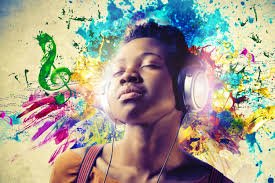
    Music has always been an essential part of human life, resonating deeply with our emotions. It transcends boundaries of culture, language, and time, evoking feelings that words often cannot. Whether it’s the joy of a lively dance beat, the melancholy of a slow ballad, or the empowerment of an anthemic song, music plays a crucial role in expressing, exploring, and even understanding our emotions. But how exactly does music influence emotional expression? Let’s looks into how this powerful art form taps into the core of our feelings and shapes the way we express them.

    The Role of Music in Emotional Expression
    The Role of Music in Emotional Expression

    Music as a Universal Language of Emotion

    One of the most unique aspects of music is its ability to communicate emotion without the need for words. It speaks directly to our hearts, often expressing feelings that are difficult to articulate. Every note, rhythm, and melody carries emotional weight, making it possible for people from different backgrounds to connect emotionally to the same song, even if they don’t understand the lyrics.

    • Melody and Harmony: The structure of a song—the melody, harmony, and rhythm—can evoke different emotional responses. A minor key, for instance, tends to elicit feelings of sadness, melancholy, or introspection, while a major key often evokes happiness, optimism, and warmth. Similarly, fast tempos and upbeat rhythms can inspire excitement or joy, while slower tempos might evoke a sense of calm or sadness. These musical elements are universally understood, allowing music to express complex emotional states without the use of language.
    • Cultural Universality: Different cultures have unique musical traditions, but the emotional responses to music are largely universal. For example, a joyful melody in any culture will likely stir a sense of happiness or celebration, while a somber, slow piece can evoke sadness or contemplation, regardless of the listener’s cultural background.

    Music as a Means of Personal Emotional Expression

    On a personal level, music provides an outlet for emotional expression. Whether it’s playing an instrument, singing, or simply listening to a favorite track, individuals use music as a way to process and communicate their emotions.

    • Therapeutic Release: For many, playing or listening to music is a form of emotional release. When people are feeling overwhelmed, stressed, or sad, music can serve as a cathartic outlet. Certain songs or genres can help people feel understood, providing a sense of connection or validation. The act of creating music, whether it’s through songwriting or playing an instrument, allows individuals to express feelings they may have difficulty communicating verbally.
    • Mood Regulation: Music is also a powerful tool for regulating emotions. When someone is feeling down, they might turn to uplifting, energizing music to lift their spirits. On the other hand, when feeling overwhelmed, a calming piece of music can help soothe nerves and bring a sense of peace. By choosing specific music, individuals can regulate their mood and emotional state, influencing how they feel in real-time.

    The Role of Lyrics in Emotional Expression

    While instrumental music is incredibly powerful, lyrics add another layer of emotional depth to a song. The words in a song provide context, storytelling, and personal reflection, all of which contribute to the emotional experience of the listener.

    • Storytelling and Relatability: Many people find comfort in songs with lyrics that reflect their own experiences. Whether it’s love, heartbreak, joy, or struggle, songs can articulate complex emotions in ways that listeners relate to personally. A well-written song can capture feelings of loss, empowerment, or vulnerability, making the listener feel seen and understood. This is one of the reasons why people often turn to music during difficult times: they find solace in the words that echo their own emotional experiences.
    • Lyric Interpretation: The emotional impact of lyrics can vary depending on the listener’s personal interpretation. A song might resonate deeply with one person because they interpret the lyrics in a way that mirrors their own experiences, while someone else might hear the same song and feel a different connection based on their unique emotional state. This individualized connection is what makes music such a powerful form of personal emotional expression.

    Music’s Impact on Emotional States and Brain Chemistry

    The emotional effects of music are not just psychological; they also have a direct impact on the brain and body. Research has shown that music can trigger the release of neurotransmitters like dopamine, often referred to as the “feel-good” chemical, which plays a key role in emotional processing and reward.

    • Dopamine Release: When listening to music that we enjoy, the brain releases dopamine, creating feelings of pleasure and happiness. This is why people often turn to music as a source of joy or comfort. Even the anticipation of a favorite song or a highly anticipated musical event can trigger the brain’s reward system, increasing levels of excitement and positivity.
    • Stress Reduction: Music also has the ability to reduce stress and anxiety. Slow, calming music can lower heart rates, decrease blood pressure, and relax the muscles, which helps in reducing stress and promoting emotional well-being. This is why music therapy is often used in settings such as hospitals or therapy clinics to help individuals manage their emotions and mental health.
    • Emotional Processing: Music can aid in emotional processing, particularly for individuals experiencing grief, trauma, or confusion. Some songs help individuals process and articulate their emotions, facilitating healing or providing comfort during tough times. For example, an individual going through a breakup might listen to songs about heartbreak to feel validated in their emotions, making the healing process less isolating.

    The Role of Music in Social Emotional Expression

    Music doesn’t just affect individuals; it can bring people together and create a shared emotional experience. Whether through live performances, dance parties, or even casual jam sessions, music has the power to unite people and create a collective emotional connection.

    • Concerts and Festivals: Live music events are some of the most powerful examples of music’s ability to create a shared emotional experience. The collective energy in a concert or festival, where hundreds or thousands of people are enjoying music together, fosters a sense of community and emotional connection. The experience of dancing, singing, or simply enjoying music alongside others enhances the emotional impact of the performance, creating a collective emotional release.
    • Cultural and Social Identity: Music often reflects cultural and social identities, serving as a means of expressing group emotions. Whether it’s national anthems, protest songs, or songs that celebrate cultural traditions, music plays a role in unifying people around a shared emotional experience or belief system. This communal expression of emotion helps strengthen social bonds and collective identity.

    Conclusion

    Music is one of the most powerful tools for emotional expression. It allows individuals to articulate feelings that are often difficult to communicate with words, and it has the ability to unite people around shared emotional experiences. Whether through the melodies, harmonies, lyrics, or rhythms, music taps into our emotional core, allowing us to process, understand, and connect with our feelings. From personal catharsis to communal celebrations, music plays an integral role in how we express and experience emotions, making it a universal language of the heart.


  • How DJs Influence Crowd Energy

    How DJs Influence Crowd Energy

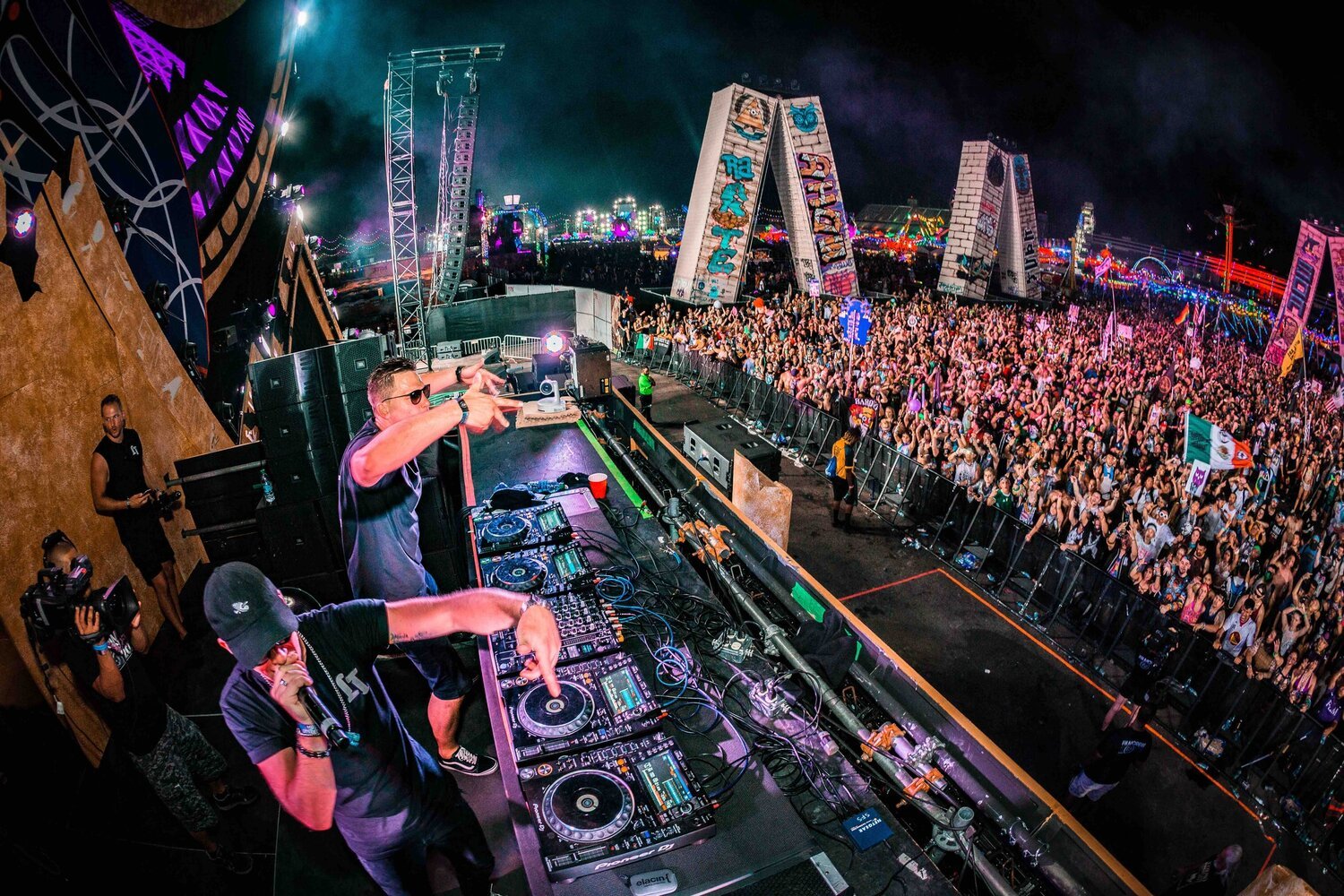
    Djs have long been an essential part of the nightlife and entertainment industry. Whether spinning at a packed club, performing at an outdoor festival, or hosting an intimate event, DJs have a unique ability to influence the atmosphere and energy of a crowd. Through music selection, timing, and crowd interaction, DJs create an experience that goes beyond just playing songs—they shape the entire vibe of the event. But how exactly do DJs manage to control and elevate the energy of their audience? Let’s break it down.

    How DJs Influence Crowd Energy
    How DJs Influence Crowd Energy

    The Power of Music Selection

    The most direct way a DJ influences the atmosphere is through their choice of music. DJs have the ability to read the room and curate a playlist that will engage the audience and move them emotionally. The selection isn’t just about what’s popular; it’s about understanding the crowd’s mood, energy level, and the event’s atmosphere.

    • Building Momentum: DJs typically begin with more relaxed, upbeat tracks to get the crowd into a comfortable groove. Gradually, they increase the tempo and intensity to build momentum. By reading the crowd’s reactions, they know when to add bass-heavy, high-energy tracks to elevate the vibe.
    • Climactic Moments: Great DJs know when to introduce high points in their set, whether it’s a crowd favorite or a surprise drop. These moments create excitement, and when timed correctly, they can send the crowd into a frenzy. Whether it’s an iconic anthem or a well-timed remix, the right song can send shockwaves of energy through the crowd.
    • Genre Shifts: DJ sets often move through different genres, giving the crowd a change of pace. A smooth transition from one genre to another keeps people on their toes and prevents the energy from plateauing. A well-placed switch can reignite the crowd’s energy, creating fresh excitement.

    Crowd Reading: Understanding Energy Shifts

    A DJ’s ability to read the crowd and adapt to its energy is an art. No crowd is the same, and the energy in a room can fluctuate constantly. DJs who understand how to gauge and respond to this energy can make the experience unforgettable.

    • Reacting to the Crowd’s Mood: A DJ isn’t just playing songs—they’re constantly observing the audience’s reactions. If people are dancing, the DJ might continue with high-energy tracks to maintain that momentum. If the crowd seems fatigued or disengaged, they may slow things down with a more mellow song or introduce a different style of music to reignite interest.
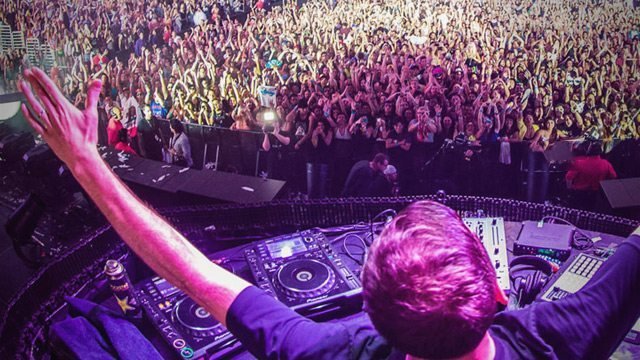
    • Interacting with the Crowd: Successful DJs don’t simply play music; they engage with the crowd. A DJ’s presence and interaction with the audience can amplify the energy in the room. From raising their hands, signaling a drop, or getting the crowd to clap along, these actions build excitement and create a sense of unity. The more the DJ can involve the crowd in the performance, the more the energy becomes shared between performer and audience.
    • Adjusting to the Venue: The size and type of venue can dramatically affect how a DJ interacts with the crowd. A packed festival or arena might require a different approach than a small, intimate club. DJs often adjust their performance based on acoustics, space, and crowd size, shifting their style and intensity accordingly to maintain the right energy balance.

    The Element of Surprise: Creating Unpredictability

    One key factor in a DJ’s ability to control crowd energy is the element of surprise. By incorporating unexpected transitions, drops, remixes, or even crowd participation moments, DJs can keep the energy dynamic and unpredictable.

    • Build-Up and Drop: The strategic use of build-ups and drops is a key tool for many DJs. A well-timed drop creates an intense release of energy, taking the crowd from anticipation to exhilaration. When done right, the drop becomes a shared experience, with the entire crowd reacting in unison.
    • Remixes and Mashups: DJs often remix or mash up familiar songs, introducing a twist that excites the audience. Unexpectedly blending two songs that people know and love can trigger a surge of energy, as the crowd enjoys the familiar elements with a new twist. The surprise factor here keeps the crowd on edge, making the experience more thrilling.
    • Special Guests and Surprises: Some DJs will bring in surprise guests or collaborators, introducing a new dynamic to the performance. These unannounced surprises create a sense of excitement and anticipation, further engaging the crowd and adding to the high-energy atmosphere.

    Creating a Connection Through Shared Experience

    One of the most significant ways DJs influence crowd energy is by creating a shared experience. Music has the power to connect people, and DJs know how to use it to unite an audience. Through beats, lyrics, and melodies, DJs help individuals in the crowd lose themselves in the music, creating a sense of collective energy and excitement.

    • Vibe and Atmosphere: A DJ’s ability to set the mood is fundamental to crowd energy. The lighting, stage setup, and atmosphere of the venue work hand-in-hand with the DJ’s music to create a holistic experience. When the DJ is in sync with the visuals and the venue’s vibe, it amplifies the emotional effect of the music, taking the crowd’s energy to new heights.
    • Emotional Resonance: A skilled DJ knows how to tap into the emotional resonance of a crowd. Whether it’s through a nostalgic track, an anthemic song, or a deeply emotional melody, certain songs can evoke shared emotions that elevate the collective energy. The DJ facilitates this emotional connection, ensuring the crowd feels both individually and collectively engaged.

    DJ’s Physical Performance: Amplifying Energy

    The DJ’s physical presence plays a huge role in influencing crowd energy. DJs are not simply behind the decks—they are the performers. How they move, their facial expressions, and how they interact with the crowd all help enhance the energy in the room.

    • Body Language and Movement: DJs who are energetic and visibly enjoying themselves on stage can help lift the crowd’s mood. By jumping along to the music, waving their hands, or smiling, they create an atmosphere of excitement and positivity that the crowd picks up on. The more the DJ engages physically, the more the audience mirrors that energy.
    • Engaging the Crowd: A DJ can influence the crowd’s energy by actively encouraging crowd participation. This might include prompting the crowd to clap, jump, or sing along. When the crowd becomes part of the performance, their energy is amplified, creating a cycle of excitement that builds throughout the set.

    Conclusion

    DJs have an unparalleled ability to influence the energy of a crowd. From their music selection to their ability to read and interact with the audience, DJs shape the atmosphere and create an experience that goes beyond just playing tracks. They harness the power of music, timing, and crowd interaction to elevate energy, engage emotions, and create unforgettable moments. Whether it’s through a surprise drop, an unexpected remix, or simply a shared connection through music, DJs make an event come alive and transform the crowd’s energy into something greater than the sum of its parts.


  • Hello world!

    Welcome to WordPress. This is your first post. Edit or delete it, then start writing!