Blog

  • The Future of AI in DJing and Music Creation

    The Future of AI in DJing and Music Creation

    Artificial Intelligence (AI) is making waves across various industries, and the music world is no exception. The way DJs perform and create music is undergoing a transformation thanks to AI technologies. From automated mixing to intelligent music production tools, AI is reshaping how artists approach both DJing and music creation. In this post, we’ll explore the future of AI in DJing and music creation, examining how these advancements will impact the industry and the opportunities they present for aspiring artists.

    The Future of AI in DJing and Music Creation
    The Future of AI in DJing and Music Creation

    1. AI-Powered DJ Tools for Seamless Mixing

    One of the most exciting developments in the DJ world is the rise of AI-powered DJ tools. These innovations can assist DJs in creating seamless mixes and transitions by analyzing track structures, tempos, and harmonies. AI can now predict the next track that will fit seamlessly into the mix, ensuring smooth transitions without the need for constant manual adjustments.

    • Auto-Mixing: AI-based software can automatically mix tracks with precision, adjusting the tempo and beatmatching without the DJ’s intervention. This is especially useful for beginners who are still learning the ropes of manual mixing. Programs like Serato DJ Pro and Traktor are already integrating AI features to help DJs make more informed decisions about which tracks work best together.
    • Intelligent Track Suggestions: Platforms like Pioneer DJ’s Rekordbox and Algoriddim’s djay Pro AI use machine learning to analyze the energy level of tracks, suggesting the next best track based on the crowd’s energy or the DJ’s preferences. This helps create a dynamic, engaging performance with minimal effort.

    AI tools are enabling DJs to focus on the creative aspects of their performance, allowing them to experiment and innovate while leaving the technicalities to the software. As AI continues to improve, these tools will become even more intuitive and helpful.

    2. AI in Music Production: Revolutionizing Creation

    The future of AI in music production is just as groundbreaking. Traditionally, creating music required hours of experimentation, trial, and error. With AI, producers now have access to powerful tools that can speed up the creative process and enhance their music.

    • AI Music Composition: Platforms like Amper Music, Aiva, and Endlesss use AI algorithms to generate original music. These tools can compose melodies, harmonies, and rhythms based on user input, enabling producers to quickly draft ideas or generate entire tracks. Some AI systems are even capable of mimicking the style of specific artists or genres, providing endless inspiration for creators.
    • AI-Assisted Sound Design: AI-driven plugins like Izotope’s Ozone and Sonible’s Smart:EQ 3 can analyze tracks and provide real-time adjustments to mix elements such as EQ, compression, and reverb. These tools reduce the complexity of sound design, enabling producers to focus more on creativity rather than technicalities.

    AI’s role in music production is not to replace human creativity but to enhance it. By automating repetitive tasks and offering advanced suggestions, AI allows musicians and producers to explore new sounds and ideas they might not have considered otherwise.

    3. AI for Personalized Music Experience

    In the future, AI will also play a major role in personalizing the music experience for listeners. Music streaming services like Spotify and Apple Music are already using AI algorithms to recommend songs based on listening history and preferences. However, this technology is evolving into more personalized, dynamic listening experiences.

    • Dynamic Playlists: AI can generate playlists that adapt in real-time, changing the song selection based on a listener’s current mood or activity. Imagine a playlist that adjusts depending on whether you’re working out, relaxing, or hosting a party.
    • Live AI-Generated Music: Some forward-thinking DJ software is exploring AI that can create music live, in real time, during a DJ’s performance. This AI system can analyze crowd reactions, adjust tempo, and mix new music on the fly, creating a completely personalized experience for every audience.

    This personalized music experience will open up new avenues for DJs and music creators to connect with their audience, ensuring that their performance aligns perfectly with the crowd’s mood and preferences.

    4. Collaboration Between AI and Human DJs

    Rather than replacing DJs, AI will likely serve as a powerful collaborative tool. Imagine a hybrid approach where DJs work alongside AI to enhance their performance. In this scenario, the DJ would still have control over creative direction, but AI could act as a virtual assistant, offering suggestions or helping with technical tasks.

    • AI as a Creative Assistant: AI tools can assist in real-time track selection, harmony matching, or identifying the best effects to apply during a live set. With the help of AI, DJs can maintain a high level of creativity while allowing the technology to handle the more tedious elements of their performance.
    • Real-Time Feedback: AI can also give real-time feedback on how well a DJ’s set is resonating with the audience. For example, AI could monitor crowd reactions via cameras or sensors, adjusting the music accordingly to maximize engagement.

    The collaborative potential between DJs and AI is limitless, allowing DJs to push the boundaries of performance while still maintaining the human touch that makes each set unique.

    5. The Impact on DJ Culture and Music Creation

    While AI offers exciting new possibilities, it raises important questions about the future of DJ culture and music creation. Some argue that AI might commodify music or reduce the need for human talent, but others see it as an opportunity to empower artists to do more with their craft.

    • Democratization of Music Production: AI lowers the barriers to entry for new musicians. Aspiring producers who lack technical knowledge now have access to powerful tools that can help them create professional-quality tracks.
    • Evolution of DJing: DJing as a performance art is likely to evolve with AI. As DJs embrace new technologies, the nature of live performances may change, with more emphasis on interaction, crowd engagement, and personalization.

    In the future, we may see AI and DJs working together to create experiences that were once unimaginable, pushing the boundaries of what music can be.

    Conclusion

    AI is already changing the landscape of DJing and music creation, and its influence will only grow stronger in the years to come. From AI-powered DJ tools that help create seamless mixes to AI-assisted music production that speeds up the creative process, the potential for innovation is limitless.

    For DJs and music creators, AI offers the opportunity to experiment, explore new sounds, and refine their craft. Rather than replacing the human touch, AI serves as a creative partner—enabling artists to elevate their performances and compositions in ways they never could before.

    As technology continues to evolve, the future of AI in DJing and music creation will unlock new possibilities, pushing the boundaries of music and performance to unprecedented heights.
     

  • The Role of Vinyl DJing in Modern Music

    The Role of Vinyl DJing in Modern Music

    In an era dominated by digital tools and streaming platforms, vinyl DJing remains a vital force in the music world. It represents more than just a format; it’s a cultural cornerstone that bridges the gap between tradition and innovation. From its roots in hip-hop and electronic dance music (EDM) to its place in modern DJ culture, vinyl continues to shape how music is created, performed, and appreciated.


    1. The Timeless Appeal of Vinyl

    Vinyl records evoke a sense of nostalgia and authenticity that no digital format can replicate. DJs who spin vinyl often emphasize its unique sound quality, characterized by warmth and depth.

    Why Vinyl Stands Out:

    • Tactile Interaction: Vinyl requires physical engagement, enhancing the connection between the DJ and the music.
    • Superior Sound: Analog recordings capture details that digital compression often misses.
    • Visual Aesthetic: Album covers and spinning platters add an artistic element to performances.

    2. Vinyl DJing as a Skill

    Unlike digital DJing, which offers tools like sync buttons and waveforms, vinyl DJing demands a higher level of technical proficiency.

    Essential Skills for Vinyl DJs:

    • Beatmatching by Ear: Aligning tempos without visual aids.
    • Scratching Techniques: Creating rhythmic sounds by manipulating the record.
    • Cueing Precision: Dropping tracks at the perfect moment.

    Mastering vinyl enhances a DJ’s understanding of rhythm and timing, building foundational skills applicable across all formats.


    3. Vinyl’s Influence on Modern DJ Culture

    Although digital platforms dominate the industry, vinyl remains a symbol of authenticity and respect within the DJ community. Many top DJs incorporate vinyl into their sets to honor its legacy and showcase their technical prowess.

    Key Contributions to Modern DJ Culture:

    • Hybrid Performances: Combining vinyl with digital tools, such as time-coded records.
    • Preservation of Music History: Vinyl collections serve as archives of rare and influential tracks.
    • Community Connection: Vinyl events and record stores foster a sense of belonging among DJs and enthusiasts.

    4. Vinyl in Contemporary Music Scenes

    Vinyl DJing continues to thrive in specific genres and settings, where its unique qualities enhance the musical experience.

    Popular Scenes for Vinyl DJing:

    • House and Techno: Underground clubs often favor vinyl for its raw, unfiltered sound.
    • Hip-Hop: Scratch DJs keep vinyl’s role alive through turntablism.
    • Reggae and Dub: Sound systems rely on vinyl for authentic vibes.
    • Chill and Lo-Fi: Vinyl’s warm tones complement laid-back atmospheres.

    5. Challenges and Innovations in Vinyl DJing

    While vinyl DJing offers many rewards, it also comes with challenges in a modern context.

    Common Challenges:

    • Portability: Vinyl records are bulky and fragile compared to digital alternatives.
    • Cost: High-quality records and equipment can be expensive.
    • Maintenance: Turntables and records require regular care to perform optimally.

    Modern Solutions:

    • Time-Coded Vinyl: Allows DJs to control digital files using traditional turntables.
    • Vinyl Reissues: Classic records are being repressed for new audiences.
    • Portable Turntables: Lightweight options make crate digging and impromptu sets easier.

    6. The Emotional Connection of Vinyl

    Vinyl creates an emotional bond between the DJ and the audience. The visible act of cueing, scratching, and flipping records adds a performative element that resonates deeply.

    Why Audiences Love Vinyl DJs:

    • Authenticity: The effort and skill required are evident in every transition and mix.
    • Unpredictability: Vinyl sets feel unique and spontaneous, as DJs adapt to the moment.
    • Visual Engagement: Watching a vinyl DJ at work is as entertaining as the music itself.

    7. The Future of Vinyl DJing

    Despite advancements in digital technology, vinyl’s role in DJing is far from obsolete. Instead, it is evolving alongside modern tools.

    Trends to Watch:

    • Sustainability: Eco-friendly vinyl production methods are gaining traction.
    • Vinyl-Digital Integration: Software like Serato and Rekordbox continues to enhance hybrid setups.
    • Revival of Analog Sound: New generations are discovering vinyl’s unique qualities, ensuring its legacy.

    Conclusion

    Vinyl DJing remains a cornerstone of modern music, combining tradition with innovation. It represents a dedication to craft, a connection to music history, and an unfiltered approach to creativity. As digital tools evolve, vinyl continues to inspire DJs and audiences alike, proving that its place in the music world is as enduring as its grooves.

    Whether you’re a seasoned vinyl spinner or a curious newcomer, embracing this art form offers a deeper understanding of music and its timeless appeal. So, dust off those records, drop the needle, and let the music play.

  • How DJs Read the Crowd for the Perfect Set

    How DJs Read the Crowd for the Perfect Set

    One of the most crucial skills for any DJ is the ability to read the crowd. Understanding your audience and adapting your set accordingly can make the difference between an average performance and an unforgettable night. DJs are not just playing music—they’re crafting an experience that resonates with the crowd. In this post, we’ll break down how DJs read the crowd and adjust their performance to ensure the energy stays high and the vibes are right.

    How DJs Read the Crowd for the Perfect Set
    How DJs Read the Crowd for the Perfect Set

    1. Pay Attention to the Energy in the Room

    The first step in reading the crowd is observing the overall energy in the room. As a DJ, you must be in tune with the crowd’s vibe and pick up on subtle cues. Are they dancing? Are they engaged? Are people standing around, or is there a buzz in the air?

    • Body Language: Watch how people are moving to the music. If they’re nodding their heads, tapping their feet, or fully immersed in the music, you know you’re on the right track. On the other hand, if they seem disengaged, it may be time to change things up.
    • Group Dynamics: Pay attention to how groups interact. A group of people jumping together shows excitement, while a quiet corner might indicate the need for a change in tempo or style.

    By observing the crowd’s body language, you can gauge the mood and energy. This gives you the insight needed to make decisions about your track selection and overall vibe.

    2. Know When to Build and When to Drop

    A successful DJ set is often about building energy and knowing when to bring it back down. Understanding when the crowd is ready for an intense drop or when they need a breather is essential for crafting a well-paced performance.

    • Building Up: If the crowd is responding well to the music, gradually increasing the intensity of your tracks will build anticipation. This is the time to introduce high-energy tracks or drops to push the crowd into a higher state of excitement.
    • Dropping the Beat: Conversely, if you sense the energy is peaking, dropping a more intense track or transitioning into something completely different can take the crowd to the next level. However, a sudden shift can also disrupt the flow if it’s too abrupt, so be mindful of timing.

    DJs need to control the flow of energy—slowly ramping it up and bringing it down at the right moments to maintain momentum and keep the crowd engaged.

    3. Adapt to the Crowd’s Preferences

    Every crowd is different, and reading the crowd means understanding what they want to hear. While you may have a set playlist in mind, the key is to adapt on the fly based on the crowd’s reactions.

    • Subtle Changes: If your crowd is into deep house but seems to lose interest when you switch to tech house, don’t be afraid to go back to the deep beats. Reading the crowd is about recognizing these small cues and adjusting accordingly.
    • Genre Shifts: If you notice that the crowd seems to respond better to a particular genre or track style, consider integrating more of that into your set. A smooth transition from one style to another can bring the crowd back in tune with your performance.

    Flexibility is key. You may have planned a certain direction for your set, but being able to shift genres or tempos based on what the crowd enjoys will make you a more versatile DJ.

    4. Look for Crowd Reactions and Interactions

    Crowd interaction is one of the best indicators of how well your set is going. DJing is a two-way interaction, and the feedback you receive from your audience will tell you whether you’re on the right path or need to change things up.

    • Hands in the Air: When the crowd raises their hands or jumps, it’s a clear sign that they’re enjoying the moment. These signals can help you gauge when to push the energy higher or sustain it.
    • Request Signals: Some people might send you signals, like shouting out requests or showing excitement when certain tracks play. Pay attention to these subtle forms of communication. Sometimes, the crowd will tell you exactly what they want, even if it’s nonverbal.

    The key is to be responsive to these signals and make adjustments based on the crowd’s feedback. Active listening is just as important as playing the right tracks.

    5. Mastering the Art of Transitions

    Smooth transitions between tracks are essential to keep the crowd engaged. A well-timed transition can elevate the energy of your set, while a poorly executed one can cause a noticeable drop. Reading the crowd also involves knowing when to move seamlessly from one track to the next.

    • Smooth Progression: For example, if you’ve been playing slow jams and the crowd is getting into it, transitioning to a faster tempo might kill the vibe. Gradually increase the tempo to maintain the momentum.
    • Use of Effects: DJ effects, such as reverb or delay, can help with transitions and keep the crowd’s attention focused. Subtle effects can smooth out transitions, ensuring that you don’t lose the crowd during a change.

    By mastering the art of transitions, you can ensure that the set flows naturally, without any awkward pauses or jarring shifts that might disconnect the audience.

    Conclusion: The Art of Reading the Crowd

    Reading the crowd is an essential skill that separates a good DJ from a great one. It’s all about being aware of the audience’s energy, preferences, and reactions, and adjusting your set accordingly. By observing body language, understanding when to build or drop energy, and being flexible with your track selection, you can create a performance that resonates with the crowd.

    A successful DJ not only plays music; they connect with their audience and curate a unique experience. Being in tune with the crowd and responding to their energy is the key to building a strong connection, ensuring everyone has a memorable time


  • Affordable DJ Gear for Aspiring Artists

    Affordable DJ Gear for Aspiring Artists

    As an aspiring DJ, finding the right equipment is crucial to starting your career, but it doesn’t have to break the bank. High-quality gear can be expensive, but there are plenty of affordable DJ gear options that offer excellent performance without compromising your budget. Whether you’re just starting out or looking to upgrade your setup, choosing the right equipment will help you develop your skills and create unforgettable mixes. In this post, we’ll explore some of the best affordable DJ gear for aspiring artists, ensuring you get the best value for your money.

    Affordable DJ Gear for Aspiring Artists
    Affordable DJ Gear for Aspiring Artists

    1. DJ Controllers: The Heart of Your Setup

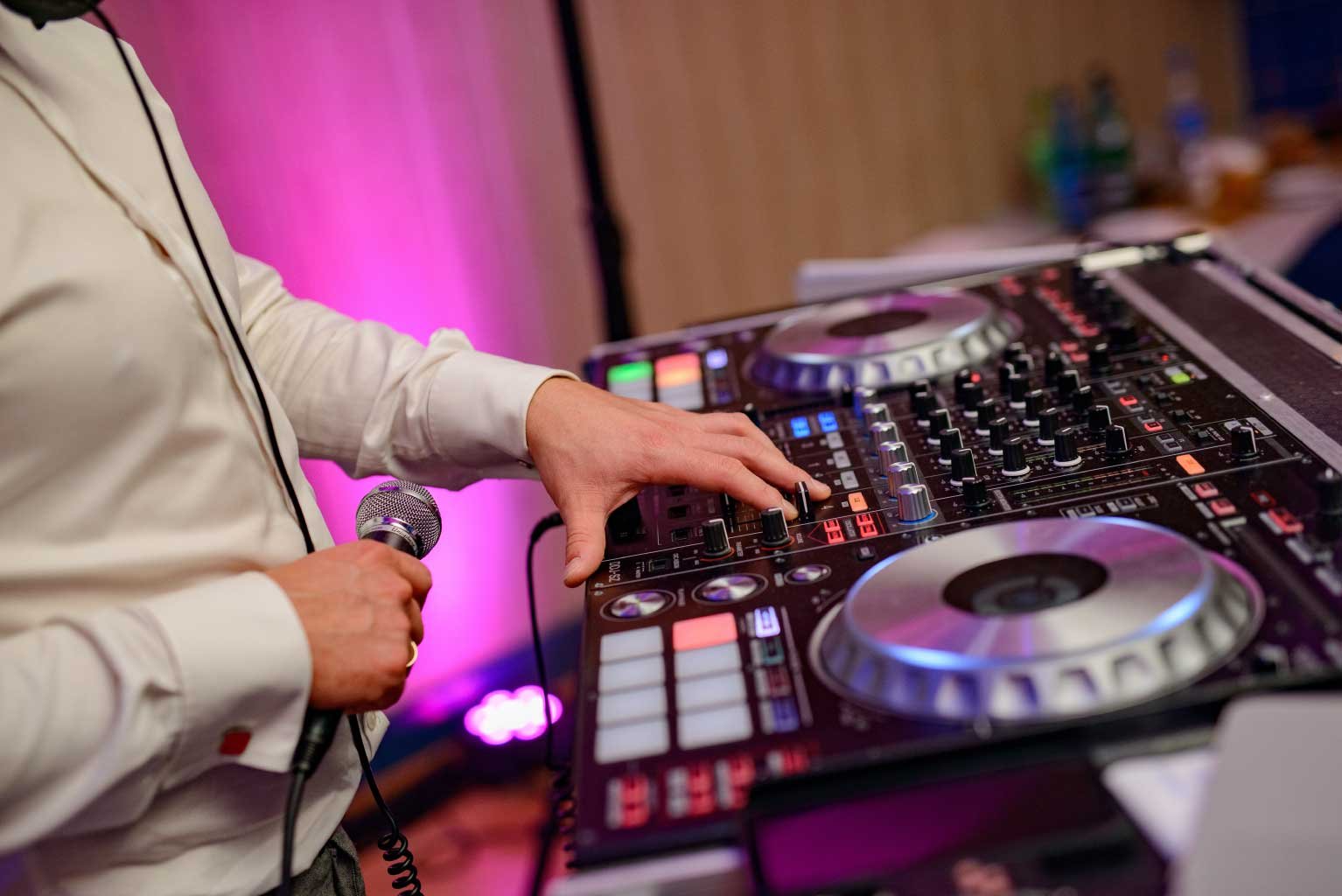
    A DJ controller is the core of any DJ setup, allowing you to mix and manipulate music with precision. Thankfully, you don’t have to spend a fortune to get a controller that works for you. Many affordable options offer robust features suitable for beginners and intermediate DJs.

    • Pioneer DDJ-400: This entry-level controller from Pioneer is a popular choice for beginners. It comes with Serato DJ Lite software, a solid build, and all the essential features like performance pads, jog wheels, and a 2-channel mixer.
    • Numark Mixtrack Pro FX: Another great option is the Mixtrack Pro FX, which comes with Serato DJ Lite and a 2-deck layout. It offers large jog wheels, performance pads, and dedicated FX controls, perfect for developing your skills.
    • Hercules DJControl Inpulse 500: Known for its user-friendly interface, the DJControl Inpulse 500 is a fantastic choice for those who want an affordable yet feature-packed controller. It includes built-in tutorials to help you learn and grow as a DJ.

    A solid controller allows you to mix effortlessly, and these affordable options will get you started without feeling like you’re compromising on quality.

    2. DJ Headphones: Clear Sound for Precise Mixing

    Having a pair of high-quality DJ headphones is essential for any DJ. They allow you to cue up tracks and monitor your mix without the interference of external noise. Fortunately, several brands offer affordable DJ headphones that provide the sound quality and durability needed for gigs and practice sessions.

    • Audio-Technica ATH-M50X: While not the cheapest option, the ATH-M50X is an excellent investment for aspiring DJs. Known for its crystal-clear sound, comfort, and durability, these headphones provide a professional experience at a relatively affordable price.
    • Pioneer HDJ-X5: The HDJ-X5 is an affordable, high-performance set of headphones designed for DJs. With good sound isolation, clear bass response, and comfort for long sets, it’s a great choice for entry-level DJs.
    • Sennheiser HD 280 Pro: A favorite among budget-conscious DJs, the HD 280 Pro offers clear sound, good noise isolation, and solid durability—all at an affordable price point.

    Clear sound and comfortable fit are key when choosing DJ headphones. These budget-friendly options provide everything you need to hone your craft without spending too much.

    3. Speakers and Monitors: Accurate Sound for Practice

    To practice your mixes and ensure your transitions are spot on, you need good-quality speakers or monitor speakers. It’s important to find options that deliver accurate, clear sound at a reasonable price.

    • Mackie CR3-X: The Mackie CR3-X is a great entry-level studio monitor that delivers solid sound quality for the price. These speakers have a compact design and are perfect for small home studios or bedroom setups.
    • Edifier R1280T: The Edifier R1280T is an affordable pair of active speakers that offers great sound quality, and its retro design adds style to any DJ booth. They are easy to connect and come with adjustable bass and treble controls for customization.
    • IK Multimedia iLoud Micro Monitors: These small, portable monitors pack a punch and are perfect for DJs with limited space. Despite their size, they provide clear sound with deep bass, ideal for home practice and small gigs.

    A solid set of monitors helps you get the most accurate sound for mixing, so investing in affordable speakers will ensure you get great results during your practice sessions.

    4. DJ Mixers: Control Your Sound

    A DJ mixer is an essential piece of equipment that lets you blend multiple tracks, control levels, and apply effects. While high-end mixers can cost thousands of dollars, there are plenty of affordable models that provide excellent value.

    • Behringer NOX101: The Behringer NOX101 is a budget-friendly, 2-channel mixer that provides all the basic controls needed for mixing. It offers smooth crossfader operation, EQ controls, and even a microphone input for vocal performances.
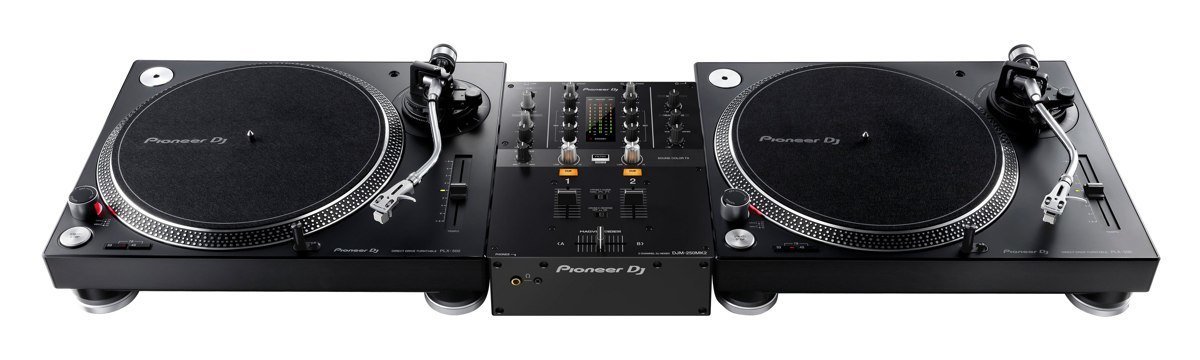
    • Pioneer DJM-250MK2: For a more professional feel, the DJM-250MK2 offers solid build quality and great sound at an affordable price. It includes features like high/low pass filters, performance pads, and a USB interface for connecting to your computer.
    • Numark M2: The Numark M2 is a simple, durable 2-channel mixer ideal for beginner DJs. It’s affordable, with all the essential features like EQ controls and crossfader, making it a great option for those just starting.

    An affordable mixer allows you to control your sound without breaking your budget. These options will help you get started with live mixing and performances.

    5. Software: The Foundation of Digital DJing

    While hardware is important, DJ software is just as crucial. Many of the best software options come with free or affordable versions that provide plenty of features to help you develop your skills.

    • Serato DJ Lite: This free version of Serato DJ is an excellent starting point for aspiring DJs. It includes all the basic tools you need, such as cue points, loops, and the ability to create custom playlists.
    • Virtual DJ Home: Another solid, free option is Virtual DJ Home, which offers powerful features like beatmatching, looping, and auto-mixing, making it perfect for learning the ropes.
    • Traktor Pro 3: While not free, Traktor Pro 3 is affordable and comes with advanced features for those who want to take their DJing to the next level. Its intuitive interface and deep customization make it ideal for aspiring artists.

    Having reliable software is essential to mixing and performing live. These options are perfect for DJs who want professional-grade software without a hefty price tag.

    Conclusion: Get Started Without Breaking the Bank

    As an aspiring DJ, starting with affordable gear is a smart way to enter the world of DJing without draining your wallet. The right DJ controller, headphones, mixers, speakers, and software can give you the tools to practice, develop, and perform at a high level, all while staying within your budget.

    With the options listed above, you can build a complete DJ setup that is both cost-effective and reliable. The key is to focus on equipment that suits your needs, offers great value, and allows you to grow as an artist. Once you’ve honed your skills, you can always upgrade your gear, but these affordable options will set you on the right path to success.


  • How to Choose the Right Turntable for DJing

    How to Choose the Right Turntable for DJing

    The turntable is the heart of a DJ’s setup, and choosing the right one is crucial for delivering seamless mixes and performances. With numerous models, features, and technologies available, understanding what suits your DJing style can be daunting. This guide breaks down the key factors to consider when selecting the ideal turntable for your needs.


    1. Direct Drive vs. Belt Drive

    One of the first decisions you’ll need to make is whether to go for a direct-drive or belt-drive turntable.

    Direct Drive

    • How it works: The platter is directly connected to the motor.
    • Best for DJs: Preferred for their fast start-up time and durability.
    • Advantages:
      • Precise speed control.
      • Ideal for scratching and beatmatching.
      • More robust and reliable over time.

    Belt Drive

    • How it works: A belt connects the motor to the platter.
    • Best for Listening: Primarily designed for audiophiles rather than DJs.
    • Advantages:
      • Superior sound isolation.
      • Less motor noise.

    Recommendation: Direct-drive turntables are the industry standard for DJing due to their durability and performance.


    2. Manual vs. Automatic Turntables

    Manual Turntables

    • Operation: You manually lift and place the tonearm onto the record.
    • Best for DJs: Provides complete control over the music.
    • Advantages:
      • Greater precision for cueing.
      • Typically more durable and straightforward.

    Automatic Turntables

    • Operation: The tonearm automatically cues and returns at the end of the record.
    • Best for Casual Use: Better for home listening than professional DJing.
    • Advantages:
      • Convenient for non-DJ use.

    Recommendation: Opt for manual turntables for full control during performances.

    How to Choose the Right Turntable for DJing
    How to Choose the Right Turntable for DJing

    3. Key Features to Look For

    When choosing a DJ turntable, ensure it includes these essential features:

    High Torque

    • Determines how quickly the platter reaches full speed.
    • A high-torque motor ensures precise cueing and smooth beatmatching.

    Adjustable Pitch Control

    • Allows you to change the speed of the record, crucial for beatmatching.
    • Look for turntables with a wide pitch range (e.g., ±8%, ±16%).

    Solid Build Quality

    • Metal or heavy-duty plastic constructions minimize vibrations and improve durability.

    Anti-Skate Mechanism

    • Prevents the tonearm from sliding across the record, ensuring smooth playback.

    Replaceable Cartridges and Styluses

    • Enables you to upgrade or replace parts as needed.

    4. Analog vs. Digital Features

    Modern DJ turntables often combine analog playback with digital features, offering the best of both worlds.

    Analog Turntables

    • Classic vinyl-only functionality.
    • Ideal for traditionalists who prefer the pure analog experience.

    Hybrid Turntables

    • Combine vinyl playback with digital connectivity.
    • Enable DJs to integrate vinyl with digital setups, such as using time-coded vinyl with DJ software.

    5. Top Turntable Brands for DJing

    While there are many options on the market, a few brands stand out for their reliability and performance:

    • Technics: Known for the iconic SL-1200 series, a favorite among professional DJs.
    • Pioneer DJ: Offers high-torque models like the PLX-1000.
    • Numark: Budget-friendly options with beginner-friendly features.
    • Audio-Technica: Combines affordability with solid build quality.

    6. Consider Your Budget

    DJ turntables are available at a wide range of price points.

    Entry-Level ($100–$300)

    • Good for beginners exploring DJing.
    • Examples: Audio-Technica AT-LP120, Numark TTUSB.

    Mid-Range ($300–$700)

    • Offers better torque and build quality.
    • Examples: Reloop RP-4000, Stanton STR8.150.

    High-End ($700+)

    • Professional-grade models designed for heavy use.
    • Examples: Technics SL-1200MK7, Pioneer PLX-1000.

    7. Try Before You Buy

    If possible, test out turntables in person before making a purchase. This allows you to:

    • Feel the build quality.
    • Test the torque and pitch control.
    • Ensure the layout and features match your preferences.

    8. Accessories to Complete Your Setup

    A turntable is just one piece of your DJ gear. Consider these essential accessories:

    • Slipmats: For smooth scratching and cueing.
    • Dust Covers: Protect your turntable from dirt and debris.
    • Cartridges and Needles: Ensure compatibility with your turntable.
    • Audio Interface: If you plan to integrate digital music.

    Conclusion

    Choosing the right turntable for DJing is a significant step in your journey as a DJ. By understanding the differences between direct and belt drives, essential features, and the importance of build quality, you can make an informed decision that suits your style and budget.

    Whether you’re scratching, mixing, or blending tracks, the perfect turntable will elevate your performance and ensure years of reliable use. Take your time, test out models when possible, and invest in a turntable that matches your ambitions.

  • How to Set Up Your DJ Booth for Optimal Performance

    How to Set Up Your DJ Booth for Optimal Performance

    Setting up your DJ booth correctly is crucial for delivering a smooth and professional performance. Whether you’re playing at a small venue, a club, or a large festival, an optimal booth setup ensures that you have everything you need within reach and that your equipment runs smoothly throughout your set. In this guide, we’ll walk you through the essential steps to create a DJ booth setup that enhances your performance.

    How to Set Up Your DJ Booth for Optimal Performance
    How to Set Up Your DJ Booth for Optimal Performance

    1. Choose the Right Location

    The first step to setting up your DJ booth is to select the right location. The area you choose will affect your sound quality, visibility, and overall comfort. Find a spot that offers enough space for all your equipment, while keeping the audience in mind.

    • Elevated Position: Whenever possible, position your booth on an elevated surface or stage. This allows the crowd to see you and gives you a better view of the venue.
    • Proximity to Power Sources: Ensure your booth is close to power outlets. You’ll need to plug in controllers, speakers, and other essential equipment.
    • Avoid Interference: Stay clear of areas where other electronic devices might cause interference with your wireless gear.

    Having a designated, safe, and strategic location ensures that your setup remains stable throughout the event and that you have enough room to move comfortably.

    2. Position Your Equipment Strategically

    Once you’ve found the perfect spot, it’s time to arrange your DJ equipment for easy access and optimal control. The layout of your gear is critical to ensuring a smooth, seamless performance. You want everything within arm’s reach and arranged in a way that allows for quick transitions between tasks.

    • DJ Controllers or Turntables: Place your controller or turntables at a comfortable height. Your hands should naturally fall on the equipment without straining. Keep your controller or turntables in the center, directly in front of you.
    • Mixer and Audio Interfaces: Position your mixer and audio interface near the center of your setup. Ensure the faders, EQ knobs, and performance pads are easily accessible.
    • Monitor Speakers: Place your monitor speakers (often referred to as DJ booth monitors) in an equidistant position from your listening area. Angle them slightly toward you to ensure accurate sound monitoring. Keeping them above ear level can help prevent sound distortion.
    • Laptop or Software Controls: If you use a laptop to control your software, position it at eye level. This reduces neck strain and helps you keep your focus on the performance.

    A well-organized setup makes it easier to make quick adjustments, switch between tracks, and control your performance without distractions.

    3. Ensure Proper Cable Management

    One of the biggest issues DJs face is tangled or messy cables. Cables can get in the way of your performance and even cause accidents or technical failures. Proper cable management is key to ensuring a clean, safe setup.

    • Cable Ties and Velcro Straps: Use Velcro cable ties or cable management clips to keep cables neatly organized and out of your way. This minimizes the risk of tripping or damaging cables.
    • Cable Length: Make sure your cables are long enough to reach all your equipment, but not too long that they become a tripping hazard. Invest in high-quality cables with the right length for your setup.
    • Power Strips and Surge Protectors: Use a power strip with surge protection to safely power all your devices. Make sure the strip is easily accessible for emergencies and that you’re not overloading any outlets.

    A well-maintained cable setup not only makes your booth look more professional, but it also keeps your performance flowing without interruptions.

    4. Optimize Sound Quality

    Ensuring the best possible sound quality is crucial for any DJ performance. A properly set-up booth helps you hear your music clearly and makes it easier to adjust sound on the fly. Here’s how to optimize your sound setup:

    • Monitor Placement: As mentioned earlier, place your monitors at ear level. Ensure that they are not facing the audience to prevent feedback or sound distortion.
    • Room Acoustics: If possible, evaluate the acoustics of the room before your performance. The layout and surface materials in the venue can affect how sound behaves. Avoid placing monitors too close to walls, as this can cause bass to bounce or distort.
    • Subwoofers and Bass Management: If you use a subwoofer, make sure it’s positioned in a way that complements the overall sound system. Keep it on the floor or elevated if necessary for better bass distribution. Use EQ settings to manage bass levels and avoid overpowering the mix.

    The goal is to balance your sound so you can hear everything clearly while making adjustments during your set without feedback or sound issues.

    5. Stay Comfortable and Organized

    Comfort and organization are vital for a successful DJ performance. After all, you need to be able to focus on the music, not on adjusting your setup mid-performance. Here’s how to ensure you stay comfortable and organized throughout your set:

    • Ergonomic Setup: Position your equipment at a height that is comfortable for you to stand or sit while mixing. If you’re standing for long periods, consider using a DJ booth stand that allows for height adjustments.
    • Monitor Your Health: Keep water, snacks, and other essentials within easy reach so you can stay hydrated and energized during long sets.
    • Backup Gear: Always have backup gear available, such as cables, adapters, and even a spare laptop or hard drive. This ensures you’re prepared for unexpected issues.
    • Lighting: Use ambient lighting in your booth for better visibility. Avoid harsh, direct lighting that can cause glare on your screens or equipment.

    By staying organized and comfortable, you can fully focus on your performance, making it an enjoyable experience for both you and your audience.

    Conclusion: Perfect Your DJ Booth Setup

    A well-organized DJ booth setup is the key to a smooth and professional performance. By carefully selecting the right location, strategically placing your equipment, and managing your cables, you set yourself up for success. Don’t forget to optimize your sound quality and ensure you’re comfortable throughout the set. A little planning goes a long way in making your DJ performance seamless, enjoyable, and memorable.

    Setting up your booth thoughtfully not only enhances your ability to perform but also shows your professionalism, helping you stand out in the DJ community. Whether you’re playing for a small crowd or a massive festival, the right booth setup makes all the difference in delivering an unforgettable experience.


  • The Art of Digging for Vinyl Records

    The Art of Digging for Vinyl Records

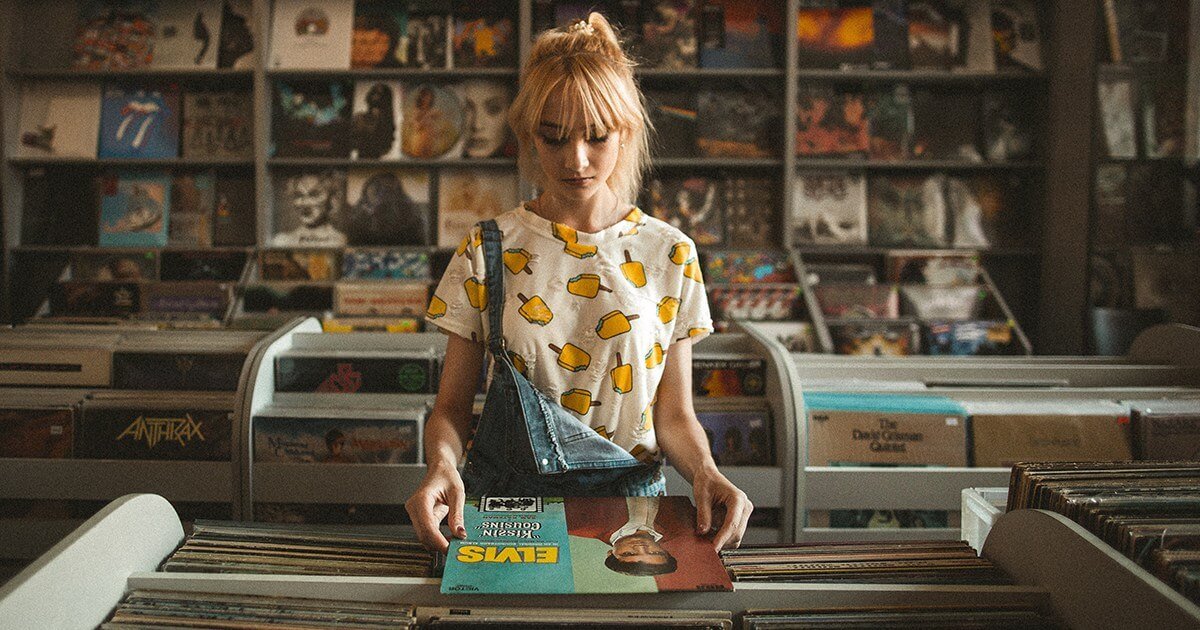
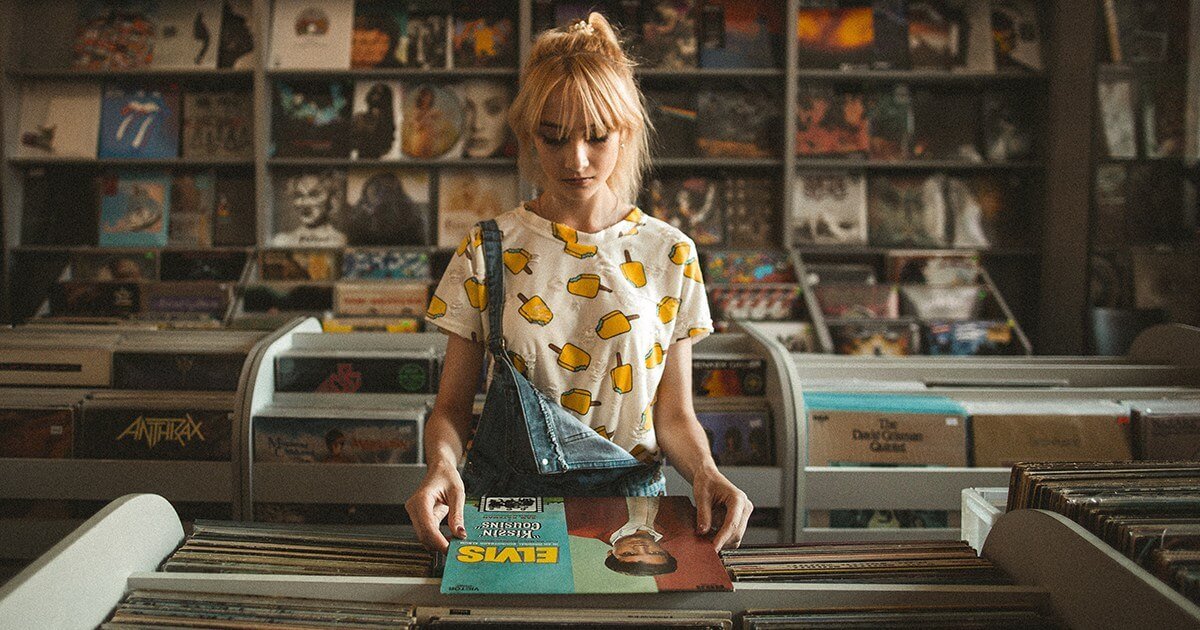
    For vinyl enthusiasts, the act of digging for records—often called “crate digging”—is as thrilling as spinning them. It’s an adventure that combines music discovery with a sense of history, offering a tactile and nostalgic experience. Whether you’re seeking rare gems or expanding your collection, crate digging is an art that requires patience, skill, and a love for music.


    1. The Thrill of the Hunt

    Crate digging is about more than just finding records—it’s about discovering stories. Each vinyl carries its own history, whether it’s a rare first pressing, an obscure artist, or a classic album. The unpredictability of what you might find is what makes digging so rewarding.

    Benefits of Crate Digging:

    • Discovering music you wouldn’t have found otherwise.
    • Unearthing rare or limited-edition records.
    • Building a collection that reflects your unique taste.

    2. Where to Dig for Vinyl Records

    The magic of crate digging lies in exploring diverse locations. Each spot has its charm and potential treasures.

    Top Places to Dig:

    • Independent Record Stores: A staple for collectors, these shops often stock both classics and hidden gems.
    • Thrift Stores and Flea Markets: These are perfect for budget-friendly finds, though patience is required to sift through the clutter.
    • Record Fairs and Festivals: Great for rare finds and networking with other collectors.
    • Garage Sales and Estate Sales: Often overlooked, these can be goldmines for vintage records.
    • Online Marketplaces: Platforms like Discogs and eBay offer convenience but lack the tactile joy of in-person digging.

    3. Essential Tools for Crate Digging

    Preparation is key when heading out to search for vinyl. A few tools can make your experience more efficient and enjoyable.

    Must-Have Gear:

    • Portable Record Player: Test records on the spot, especially at flea markets or garage sales.
    • Smartphone: Research unfamiliar albums and artists.
    • Tote Bag: Carry your finds safely without damaging them.
    • Cleaning Brush: Gently clean dusty records before purchasing.

    4. How to Spot Hidden Gems

    Finding valuable or rare records takes a sharp eye and some knowledge. Knowing what to look for can elevate your digging skills.

    Tips for Identifying Gems:

    • Check the Label: First pressings, rare labels, and limited editions are often more valuable.
    • Inspect the Condition: Look for minimal scratches, clean labels, and undamaged sleeves.
    • Look for Unique Features: Colored vinyl, picture discs, and special inserts can indicate collector’s items.
    • Trust Your Gut: If a cover or title intrigues you, take a chance—you might discover something incredible.

    5. Understanding Vinyl Record Grades

    Condition plays a major role in the value and playability of a record. Familiarizing yourself with grading terms can help you make informed purchases.

    Common Grading Categories:

    • Mint (M): Perfect condition, likely never played.
    • Near Mint (NM): Almost perfect, with minimal signs of use.
    • Very Good (VG): Some wear but still playable with minimal impact on sound quality.
    • Good (G): Significant wear and possible audio defects.
    • Poor (P): Damaged and often only useful for display.
    The Art of Digging for Vinyl Records
    The Art of Digging for Vinyl Records


    6. The Art of Negotiation

    In some settings, like flea markets or garage sales, negotiating is part of the experience.

    Tips for Bargaining:

    • Do Your Research: Know the approximate value of a record before negotiating.
    • Bundle Deals: Offer to buy multiple records for a discounted price.
    • Be Polite: A friendly approach often yields better results.

    7. Preserving Your Vinyl Finds

    Once you’ve scored some great records, proper care is essential to maintain their value and sound quality.

    Storage Tips:

    • Store records vertically to prevent warping.
    • Use plastic outer sleeves to protect covers.
    • Keep them in a cool, dry place away from direct sunlight.

    Cleaning Tips:

    • Use a carbon fiber brush to remove surface dust.
    • Invest in a record cleaning solution for deeper cleans.
    • Avoid touching the grooves to prevent oils from damaging the vinyl.

    8. Connect with the Vinyl Community

    Sharing your passion with like-minded individuals can enhance your crate-digging journey.

    Ways to Engage:

    • Join local record collector groups or online forums.
    • Attend vinyl swap meets and record fairs.
    • Follow vinyl enthusiasts and DJs on social media for inspiration.

    9. Be Open to New Discoveries

    While it’s great to have a wishlist, some of the best finds come when you explore unfamiliar genres or artists. Let curiosity guide you, and don’t be afraid to take risks.

    Pro Tip:

    Flip through every section—you might stumble upon misplaced treasures in unexpected places.


    Conclusion

    The art of digging for vinyl records is a blend of skill, patience, and passion. It’s not just about building a collection but also about the experiences and stories that come with each record you find. Whether you’re a seasoned collector or just starting, embrace the adventure, cherish the surprises, and let the music guide you.

    So grab your tote bag, head out to your favorite digging spot, and start building a collection that’s as unique as your taste in music.

  • Wireless DJ Equipment: Pros and Cons

    In recent years, wireless DJ equipment has gained popularity among DJs who seek more freedom and flexibility during their performances. From wireless controllers to Bluetooth speakers and wireless microphones, the shift away from cables offers a more streamlined experience. However, like any technological advancement, wireless DJ gear comes with both advantages and challenges. In this post, we will explore the pros and cons of wireless DJ equipment, so you can make an informed decision on whether to switch to wireless gear for your setup.

    Wireless DJ Equipment: Pros and Cons
    Wireless DJ Equipment: Pros and Cons

    1. Pros: Enhanced Mobility and Freedom

    One of the most significant advantages of wireless DJ equipment is the mobility it offers. Without cables to manage, DJs can move around the stage or dance floor freely. This is especially useful for DJs who perform at large venues or events, where space may be limited or where interaction with the crowd is essential.

    • Wireless Controllers: DJs can perform without being tethered to their equipment. A wireless controller allows for more freedom of movement, giving you the ability to roam the venue and engage with the audience while mixing.
    • Wireless Audio Transmission: Wireless audio systems eliminate the need for long, cumbersome cables connecting your mixer to speakers. This reduces setup time and clutter, creating a cleaner, more professional appearance.

    For DJs who value flexibility and want to create an interactive performance, wireless equipment offers a new level of freedom not possible with traditional wired setups.

    2. Pros: Streamlined Setup and Reduced Clutter

    Another major benefit of wireless DJ gear is the streamlined setup. When you remove the need for multiple cables, the setup process becomes quicker and easier. Wireless equipment reduces the amount of gear you need to carry, making it ideal for DJs who perform at multiple events or travel frequently.

    • Reduced Cable Management: Managing cables can be a nightmare, especially at large events with lots of gear. Wireless gear eliminates the need for cable ties, tape, and constant adjustments during a performance.
    • Clean Aesthetics: A wireless setup looks much cleaner and more professional. It allows DJs to focus on their performance without worrying about tangled cables or tripping hazards.

    If you perform at multiple events or need to set up in a hurry, a wireless setup can significantly reduce the time and effort required to get your equipment up and running.

    3. Cons: Potential for Interference

    While wireless DJ equipment offers several benefits, one of the biggest downsides is the potential for interference. Wireless signals, whether for audio or control, are susceptible to interference from other wireless devices, such as phones, Wi-Fi routers, or other DJ gear. This can lead to issues like signal dropouts or poor sound quality, which are critical in live performance settings.

    • Signal Interruption: If the wireless signal is weak or blocked, it could result in your sound cutting out or becoming distorted, disrupting your performance.
    • Competing Signals: In crowded environments, multiple wireless signals may compete for bandwidth, leading to unreliable connections.

    For large venues or events with heavy wireless traffic, interference can be a significant issue. DJs should carefully test their wireless gear before performing to ensure a stable connection.

    4. Cons: Limited Range and Battery Life

    Wireless DJ equipment also comes with certain limitations when it comes to range and battery life. Wireless controllers, speakers, and microphones rely on battery power, which can run out during a long event or performance. Additionally, wireless devices may have a limited range, especially in larger venues.

    • Battery Dependency: Most wireless devices run on rechargeable batteries, which may not last as long as a wired connection. It’s crucial to monitor battery levels throughout a performance, especially if you’re using several wireless devices.
    • Limited Range: Wireless audio transmission can only travel so far before signal degradation occurs. If you’re working in a large venue, the range of the wireless gear may not be sufficient, requiring additional setup or backup gear.

    Battery life and range limitations make it necessary for DJs to plan ahead. Carrying extra batteries or ensuring proper charging time before a performance can help mitigate these issues.

    5. Cons: Higher Cost

    The initial cost of wireless DJ equipment tends to be higher than traditional wired setups. Due to the advanced technology required for wireless transmission, the price of wireless controllers, microphones, and speakers is often steeper than their wired counterparts.

    • Expensive Gear: Wireless technology requires specific components, such as transmitters, receivers, and high-quality batteries, which contribute to higher costs.
    • Ongoing Maintenance: Wireless devices may require more maintenance, such as battery replacements or software updates, which can add to long-term costs.

    For DJs on a budget, the cost of switching to wireless gear may be a deciding factor. While wireless setups can increase convenience, the price may not justify the investment for everyone, especially if you only perform occasionally.

    Conclusion: Should You Go Wireless?

    Switching to wireless DJ equipment can significantly enhance your mobility, reduce setup time, and give your performance a cleaner, more professional appearance. Wireless controllers and audio systems provide more freedom, making them ideal for DJs who want to move around during their sets or reduce cable clutter. However, the potential for interference, limited range, and battery life issues mean that DJs need to carefully consider their venue, the size of their audience, and their performance style before fully committing to wireless gear.

    If you frequently perform in small to medium-sized venues and prioritize convenience, the benefits of wireless equipment may outweigh the downsides. On the other hand, for large events or high-stakes performances, traditional wired setups might provide more reliability and peace of mind.

    Ultimately, it comes down to your personal needs and performance style. If you’re ready to embrace the flexibility and convenience of wireless DJ equipment, just be sure to thoroughly test your gear and always have backup solutions on hand for critical performances.


  • The Best DJ Mixes Using Vinyl

    Vinyl DJing is a revered art form that continues to captivate audiences with its authenticity, warmth, and tactile charm. Over the years, countless DJs have showcased their mastery of vinyl, delivering mixes that stand the test of time. These performances not only highlight the technical skills required to work with analog equipment but also capture the essence of music in its purest form.

    Here’s a curated list of the best DJ mixes using vinyl, featuring iconic sets and timeless performances every music lover should experience.


    1. Larry Levan at Paradise Garage (1982)

    Why It’s Iconic:
    Larry Levan, a pioneer of the dance music scene, turned New York’s Paradise Garage into a legendary venue. His vinyl sets seamlessly blended disco, funk, and early house music, creating a euphoric atmosphere.

    Key Tracks:

    • Gwen Guthrie – Seventh Heaven
    • Loose Joints – Is It All Over My Face?

    Levan’s ability to tell a story through his record selection remains unparalleled, making this a must-listen for any DJ enthusiast.


    2. Jeff Mills – The Exhibitionist (2004)

    Why It’s Iconic:
    Jeff Mills, a master of techno, showcases his exceptional vinyl mixing skills in The Exhibitionist. This live performance highlights his precision, speed, and creativity, all executed on vinyl turntables.

    Key Moments:

    • Lightning-fast transitions between tracks.
    • Layering multiple records to create complex soundscapes.

    Mills’ set is a testament to the technical prowess required for vinyl DJing in the techno genre.


    3. DJ Jazzy Jeff – Boiler Room Philly (2016)

    Why It’s Iconic:
    DJ Jazzy Jeff’s Boiler Room set is a masterclass in vinyl DJing, combining hip-hop, funk, and soul. His smooth transitions, scratching, and track selection make this performance unforgettable.

    Highlights:

    • Live scratching that showcases his technical expertise.
    • Seamless blending of classics and modern hits.

    This set proves that vinyl DJing can be both nostalgic and innovative.


    4. Carl Cox – Space Ibiza Closing Party (2016)

    Why It’s Iconic:
    Carl Cox’s final vinyl set at Space Ibiza was a historic moment in electronic music. His energy and connection with the crowd made this performance a fitting farewell to the legendary club.

    Key Tracks:

    • Laurent Garnier – Crispy Bacon
    • Carl Cox – Your Light Shines On

    Cox’s ability to command a crowd with vinyl records is a reminder of why he’s considered one of the greatest DJs of all time.

    The Best DJ Mixes Using Vinyl
    The Best DJ Mixes Using Vinyl

    5. Frankie Knuckles – Live at The Warehouse (1981)

    Why It’s Iconic:
    Known as the “Godfather of House,” Frankie Knuckles’ sets at The Warehouse in Chicago laid the foundation for house music. His vinyl selections featured extended edits and soulful tracks that captivated dancers.

    Key Tracks:

    • Chaka Khan – I’m Every Woman (Remix)
    • Jamie Principle – Your Love

    Knuckles’ legacy continues to influence DJs worldwide, and this set is a glimpse into the origins of a genre.


    6. DJ Shadow – Live in Tokyo (1998)

    Why It’s Iconic:
    DJ Shadow’s vinyl-only set in Tokyo is a showcase of crate-digging excellence. His ability to blend obscure samples with hip-hop beats demonstrates the storytelling potential of vinyl DJing.

    Highlights:

    • Creative use of rare records.
    • Dynamic shifts between genres.

    Shadow’s set is a reminder of the artistry involved in building a cohesive narrative with vinyl.


    7. Ben UFO – Dekmantel Festival (2018)

    Why It’s Iconic:
    Ben UFO’s vinyl set at Dekmantel Festival is a modern example of how DJs can push boundaries with analog tools. His eclectic track selection spans house, techno, and experimental sounds.

    Key Features:

    • Flawless beatmatching despite genre changes.
    • A journey-like progression through the set.

    This performance demonstrates the versatility and creativity possible with vinyl.


    8. Honey Dijon – Mixmag Lab NYC (2019)

    Why It’s Iconic:
    Honey Dijon’s vinyl set in Mixmag Lab NYC is a celebration of house music’s roots. Her deep knowledge of music history shines through in her track selection and transitions.

    Highlights:

    • Seamless blending of vocal-heavy tracks.
    • A vibe that keeps the energy high from start to finish.

    Honey Dijon proves that vinyl DJing is as relevant today as ever.


    9. David Mancuso – The Loft (1975)

    Why It’s Iconic:
    David Mancuso’s parties at The Loft are legendary for their focus on sound quality and music curation. His all-vinyl sets created an intimate and immersive experience for attendees.

    Key Tracks:

    • Don Downing – Dream World
    • Manu Dibango – Soul Makossa

    Mancuso’s philosophy of “playing music for love” continues to inspire DJs worldwide.


    10. Sven Väth – Love Parade (1997)

    Why It’s Iconic:
    Sven Väth’s vinyl performance at Love Parade captured the spirit of 1990s electronic music. His energetic mixing and track selection electrified a crowd of thousands.

    Key Tracks:

    • Underworld – Born Slippy
    • Sven Väth – An Accident in Paradise

    This set is a time capsule of an era when vinyl reigned supreme in electronic music.


    Conclusion

    The art of vinyl DJing continues to thrive, with legendary performances that showcase its unique charm and technical demands. Whether you’re a seasoned DJ or a music lover, these sets are essential listening, offering inspiration and a glimpse into the magic of spinning vinyl. As vinyl remains a cornerstone of DJ culture, these iconic mixes remind us why this format will never go out of style.

  • Top Brands for Professional DJ Equipment

    Top Brands for Professional DJ Equipment

    When it comes to DJing, having the right equipment is essential for both performance and creativity. From controllers and mixers to headphones and turntables, investing in high-quality gear from trusted brands ensures reliability, durability, and precision. Whether you’re a beginner or a seasoned pro, using top-tier equipment can elevate your performances to the next level. In this post, we’ll explore some of the top brands for professional DJ equipment that have earned a reputation for quality and innovation in the DJ industry.

    Top Brands for Professional DJ Equipment
    Top Brands for Professional DJ Equipment

    1. Pioneer DJ

    Pioneer DJ stands out as one of the most well-known and respected brands in the DJ world. Their equipment is used by top DJs across genres, making it a go-to choice for both beginners and professionals. Known for their innovative features, Pioneer DJ’s controllers, mixers, and players are designed to meet the demands of live performances, clubs, and festivals.

    • Pioneer DJ Controllers: The DDJ series is a favorite among DJs, offering intuitive layouts and seamless integration with popular software like Serato DJ and Rekordbox.
    • Pioneer DJ Mixers: Their DJM series mixers are known for their durability, excellent sound quality, and advanced features like color effects and multi-channel mixing.
    • Pioneer Turntables: The PLX series provides top-tier performance, precision, and stability for vinyl enthusiasts, making it ideal for professional use.

    Pioneer DJ also leads the way with its innovative CDJ players and XDJ players, which dominate the club scene worldwide. If you’re looking for gear that combines cutting-edge technology with reliability, Pioneer DJ should be at the top of your list.

    2. Technics

    When it comes to turntables, Technics is the undisputed industry leader. For decades, Technics has been a pioneer in turntable technology, and their iconic SL-1200 series remains a staple in both professional and home DJ setups. Known for their precision, stability, and build quality, Technics turntables are revered for providing the best in sound and durability.

    • SL-1200 Series: The Technics SL-1210 MK7 is a modern update to the classic design, featuring enhanced torque, improved tonearm, and an adjustable pitch control.
    • Technics Turntables: DJs who rely on vinyl turntablism or those who want the highest-quality analog performance choose Technics for their unmatched sound and long-lasting performance.

    Technics’ legendary status in turntable design has made it the first choice for DJs who prioritize analog sound quality and reliability.

    3. Denon DJ

    Denon DJ has rapidly gained recognition as a top competitor in the professional DJ gear market. Known for their innovative technology, Denon DJ offers products that challenge industry norms while providing cutting-edge features. Denon DJ mixers, players, and controllers provide seamless integration with software, and they deliver impressive sound quality.

    • Denon DJ Controllers: The Prime series stands out for its robust construction, powerful performance features, and touchscreen interface. It also supports standalone operation, so you don’t need a laptop to DJ.
    • Denon DJ Mixers: The X1800 Prime is a favorite for its clarity, EQ flexibility, and ease of use, making it a top choice for professionals who demand high-quality sound.

    Denon DJ products are designed with advanced features like large displays, onboard effects, and the ability to integrate with Serato or Engine Prime software. DJs who want a forward-thinking brand with cutting-edge technology will appreciate Denon DJ’s innovations.

    4. Rane

    Rane is a well-established name in the DJ industry, particularly known for its mixers and controllers. Rane’s products offer exceptional sound quality, robust build, and industry-standard performance. DJs who focus on scratching and turntablism often turn to Rane for their reliable, feature-rich gear.

    • Rane Mixers: The Seventy-Two MKII mixer is a favorite for its precision, durability, and serato integration. It also includes features like performance pads, customizable FX, and an intuitive touchscreen.
    • Rane Controllers: Their One and Twelve controllers combine turntable control with digital features, giving DJs the best of both worlds.

    Rane continues to innovate in the realm of battle-ready gear, especially for DJs who prioritize flexibility and customizability. Their mixers and controllers are trusted by top-tier DJs in clubs and competitions.

    5. Allen & Heath

    Allen & Heath has earned a strong reputation for its premium mixers and audio equipment, especially among professional DJs and live sound engineers. Known for their quality sound, intuitive interfaces, and rugged design, Allen & Heath’s products deliver professional-grade performance at high-volume events.

    • Allen & Heath Mixers: The Xone series mixers are particularly renowned for their high-quality analog filters and smooth faders, making them ideal for DJs who focus on mixing and manipulating audio.
    • Xone:96 Mixer: The Xone:96 is a top-tier, full-featured DJ mixer that blends analog warmth with digital precision, offering multiple effects and built-in sound processing.

    Allen & Heath mixers are a favorite in high-end venues and festivals, offering versatile features for DJs who need professional-grade equipment for demanding environments.

    6. Native Instruments

    While Native Instruments is popular for its software, it has also made a significant impact on the hardware market with its Traktor series of controllers. Native Instruments’ gear is particularly appealing to DJs who want to blend digital tools with hands-on control. Their Traktor software pairs seamlessly with their controllers and sound cards for a fully integrated DJ experience.

    • Traktor Controllers: The Kontrol S4 MK3 is a top choice for DJs looking for a controller that offers tight integration with Traktor software, giving them hands-on control over loops, effects, and samples.
    • Traktor Sound Cards: Native Instruments’ Traktor Audio 10 is a professional-grade sound card for DJs who need high-quality audio output during live performances.

    Native Instruments offers one of the most cohesive and innovative setups in the digital DJ world, combining advanced software with sleek, intuitive hardware.

    Conclusion: Choosing the Right Brand for Your DJ Setup

    Selecting the right DJ equipment brand depends on your needs, style, and preferences. Whether you’re looking for turntables with analog sound, controllers with seamless software integration, or mixers with high-quality audio, the brands mentioned above provide the best equipment for professional DJs.

    • Pioneer DJ offers a versatile range of controllers and mixers that appeal to a wide variety of DJs.
    • Technics remains the go-to choice for vinyl purists who prioritize high-quality turntables.
    • Denon DJ continues to push the envelope with innovative features and standalone gear.
    • Rane provides durable and performance-focused gear, ideal for DJs who prioritize scratching and turntablism.
    • Allen & Heath stands out for its premium sound quality and intuitive mixing experience.
    • Native Instruments delivers a powerful digital solution for DJs who use software-based setups.

    No matter which brand you choose, investing in quality DJ equipment will ensure a better performance, longer equipment life, and more creative control. Pick the brand that best suits your needs, and watch your DJing skills soar